Egypt is moving ahead with one of its most ambitious clean-energy developments yet, as a consortium led by Spain’s Abengoa confirmed plans to invest US$15 billion in a 10-gigawatt renewable energy complex in South Sinai.
The multi-technology project will combine utility-scale solar and wind generation, designed to operate under long-term power-purchase agreements that secure predictable revenue and stable grid integration.
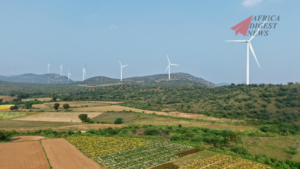
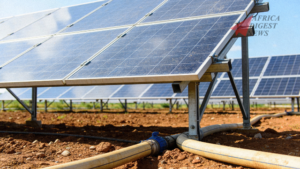
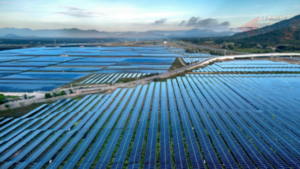
According to early project outlines, the South Sinai complex will be built in phases, with both solar PV and onshore wind deployed across a wide land footprint. The consortium’s responsibilities cover site development, infrastructure build-out, and long-term operational management.
Egypt’s power regulator will oversee grid connection, capacity allocation, and compliance standards to ensure that the facility contributes firm output into the national system.
At full build-out, the project aims to produce 10 GW of renewable power, making it one of the largest combined renewable installations in the Middle East. Such capacity would significantly enhance Egypt’s ability to meet rising electricity demand while reducing exposure to fuel price volatility.
The new investment aligns with Egypt’s broader national energy roadmap, which seeks to expand renewable penetration while attracting foreign capital and expertise. Over the past five years, Egypt has developed several large-scale projects including a 1-GW solar plant financed through international lending, establishing a track record that has made the country more attractive to global developers.
The South Sinai project is a continuation of this trajectory. Its financing structure and contractual framework are designed to appeal to private investors by offering long-term visibility, which has historically been a barrier for large renewable deployments in emerging markets.
Egypt’s progress mirrors a broader regional transition within the Middle East and North Africa, where governments are diversifying energy sources to reduce dependence on fossil-fuel-driven generation. Saudi Arabia is pursuing 58.7 GW of renewable capacity by 2030, integrating domestic solar manufacturing to support future projects. Kuwait, meanwhile, continues advancing the Al Dibdibah solar project as part of a planned renewable energy hub.
Read Also: Solar Suppliers in Kenya You Can Trust
This regional momentum suggests a shift from isolated pilot projects to long-term energy diversification strategies, supported by stronger policy frameworks, improved investor protections, and increasing competitiveness of renewable technologies.
While the South Sinai project is primarily a power generation initiative, its scale could stimulate broader industrial development.
A 10-GW pipeline requires a wide supply chain from panel manufacturing and component assembly to maintenance, logistics, and engineering services. Egypt currently imports most solar hardware, but the projected demand may encourage exploration of localized manufacturing or assembly lines.
Developing a domestic solar manufacturing base would involve high upfront investment, specialized machinery, and skills transfer. However, the potential benefits include job creation, reduced dependency on imported equipment, long-term cost stability, and enhanced export competitiveness.
Whether these industries emerge will depend on policy incentives, market guarantees, and the ability of private investors to justify factory-level capital expenditure.
For Egypt, predictable renewable generation supports multiple national objectives. It eases pressure on the grid during peak demand periods, diversifies electricity sources, and reduces emissions intensity of the power sector. The project also adds economic stability by mitigating fuel-import risk, a recurring challenge for many developing nations.
More broadly, the initiative signals confidence in Egypt’s regulatory environment and its capacity to host long-term infrastructure projects. As global developers look for stable jurisdictions to deploy capital, the country’s track record in executing large-scale renewable projects is becoming an important differentiator.
Egypt’s US$15 billion South Sinai renewable energy project marks a significant step in the country’s clean-energy expansion. By combining large-scale solar and wind generation under long-term agreements, the initiative strengthens national energy security while contributing to regional momentum in renewable deployment.
As development progresses, the project could serve as a reference point for other emerging markets seeking to balance economic growth with cleaner, more resilient power systems.
By Thuita Gatero, Managing Editor, Africa Digest News. He specializes in conversations around data centers, AI, cloud infrastructure, and energy.