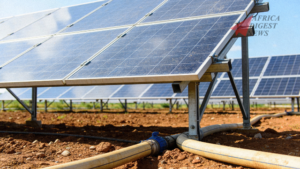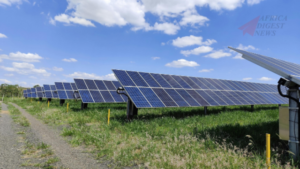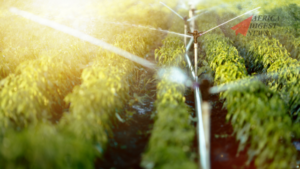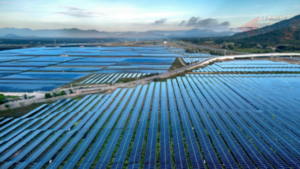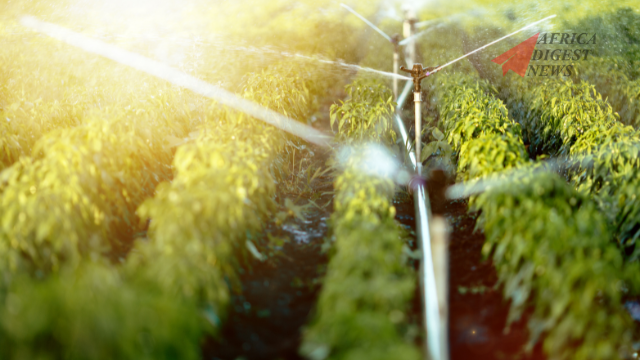
By 2026, the transition from rain-fed subsistence agriculture to intensive, market-oriented farming has made solar irrigation the single most important technology for African smallholders.
While the initial capital requirement remains a hurdle, the financial data confirms that for high-value horticulture, the returns are often immediate.
For farmers focusing on “non-staple” market vegetables like tomatoes, onions, and peppers, the investment case is unmatched. Research has established that a medium-scale solar water pump (SWP) project, costing roughly $24,000 for a 20-acre plot including drip irrigation tools can pay for itself in less than a single harvest.
This is largely because tomatoes are highly responsive to consistent water supply, allowing for a potential yield increase of up to four times compared to traditional methods. Even a smaller, over-the-counter unit costing between $750 and $850 can pay back its total cost in less than one year when used on high-value mixed farming plots.
The primary driver behind these rapid payback periods is the ability to ignore the traditional rainy seasons. Historically, Ugandan smallholders were limited by two rainy seasons, leaving land idle during dry spells.
By leveraging PULSE (Productive Use Leveraging Solar Energy) technology, horticulturalists can extend their growing cycles into these dry periods, facilitating more than three crop cycles per year.
Because the supply of fresh produce in urban markets typically drops during the dry season, these farmers command significantly higher market prices, which drastically accelerates their return on investment.
For commercial farms that have already mechanised their irrigation, the payback period is calculated through fuel displacement. Replacing a standard diesel-powered generator with a solar PV system typically yields a payback period of 3.4 to 3.6 years.
While the upfront cost of a solar pump is higher, it eliminates a fuel expense that can require up to 8 litres of diesel per day for supplementary irrigation.
Given that high-quality solar panels and inverters have a useful life exceeding ten years, farmers enjoy over six years of “free” energy after the initial payback is achieved.
Read Also: What is the typical payback period for solar irrigation in African horticulture?
Despite the lucrative nature of these systems, the “affordability gap” remains the primary barrier to mass adoption. Data indicates that high-quality PULSE products are affordable for only 5–10% of rural households, as the price of a small unit is often eight to nine times the average monthly income.
To circumvent this, the market has shifted toward Pay-As-You-Go (PAYG) models and “demand aggregation”. By pooling farmers into cooperatives or using off-takers as guarantors, the industry has lowered the cost of last-mile distribution and financing.
This allows the “typical” payback period to be managed through small instalments that match the farmer’s harvest cycles, ensuring that the technology is paid for by the very profits it generates.
It is important to note that these rapid returns are crop-specific. While horticulture and coffee (which has a 3-to-5-year payback) are highly viable, solar irrigation for maize is frequently deemed not financially feasible.
This translation was not created by The World Bank and should not be considered an official World Bank translation. The World Bank shall not be liable for any content or error in this translation. This is an adaptation of an original work by The World Bank. Views and opinions expressed in the adaptation are the sole responsibility of the author(s) of the adaptation and are not endorsed by The World Bank.
By Thuita Gatero, Managing Editor, Africa Digest News. He specializes in conversations around data centers, AI, cloud infrastructure, and energy.