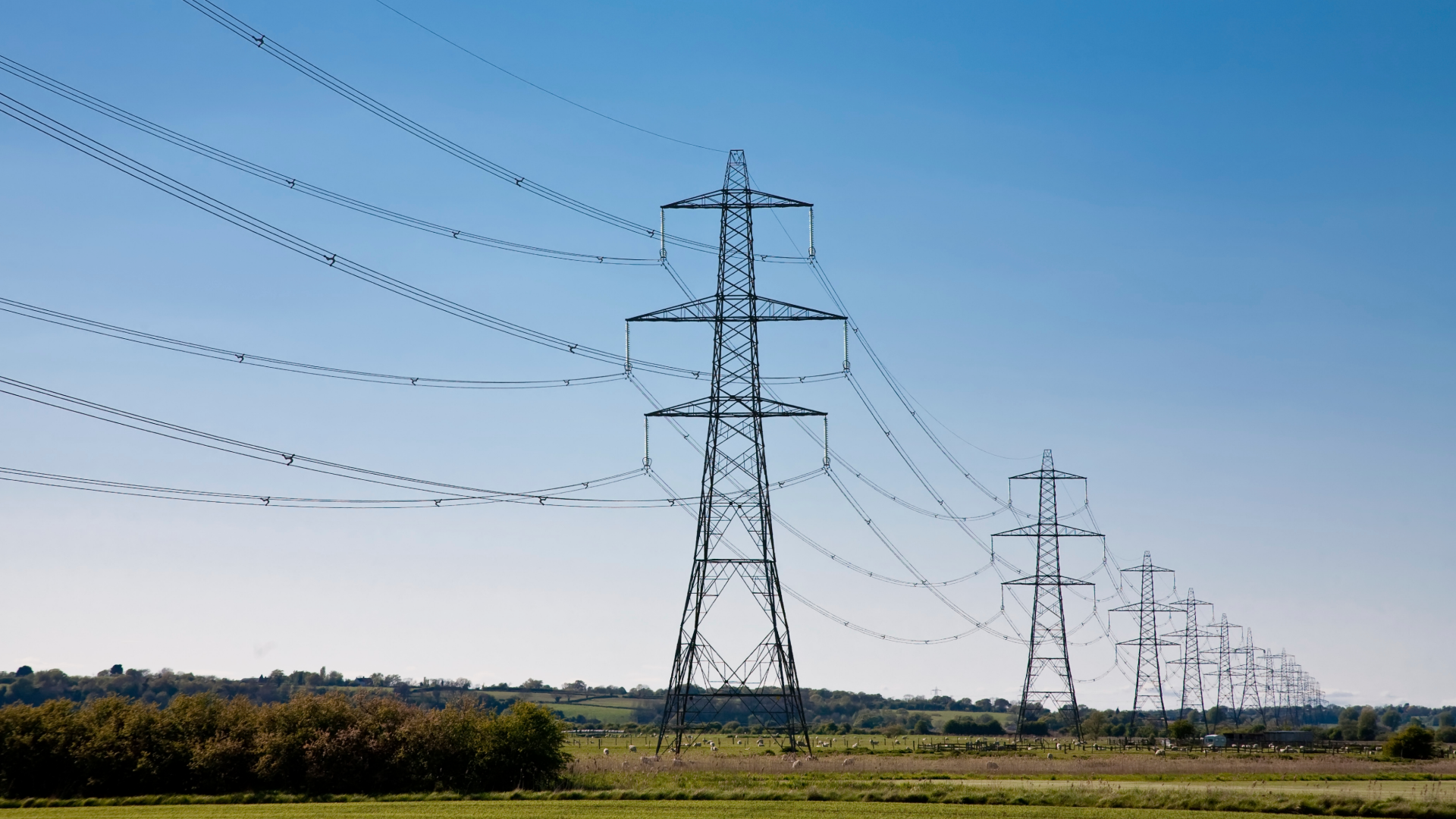
South Africa has just taken one of its biggest steps toward modernising its electricity grid. The new Electricity Transmission Infrastructure Regulations, which came into effect on 31 October 2025, will change how transmission lines are planned, funded, and built especially when private investors are involved.
They may sound technical, but these Regulations will directly influence load shedding, renewable energy growth, and electricity prices over the next decade.
Here’s the simplest explanation of what they do and why they matter.
1. The Regulations Finally Clarify “Who Does What”
For years, South Africa’s transmission system has suffered from slow decision-making and unclear responsibilities between government, Eskom, NERSA, and private developers.
The new Regulations fix this by clearly defining the roles of:
- The Minister of Electricity and Energy
- Buyers and users of transmission capacity
- Procurers who run the bidding process
- Transmission service providers (including private investors)
- NERSA and the National Treasury
In simple terms: everyone now knows their job, which cuts delays and reduces regulatory confusion.
2. Private Investment Can Now Flow More Easily into the Grid
South Africa needs tens of thousands of kilometres of new transmission lines to connect renewable energy to cities and industries. Eskom cannot fund this alone.
The new Regulations open the door for Independent Transmission Projects (ITPs)—where private companies help build, operate, or finance transmission lines.
What’s new?
- Private companies can now meaningfully participate in grid infrastructure.
- The rules for bidding, approvals, and agreements are clearer.
- Investors can recover their costs through regulated tariffs.
For the first time, South Africa’s grid expansion no longer depends only on Eskom’s financial health.
3. Faster Decision-Making in Emergencies or National Interest
Normally, energy decisions must align with the Integrated Resource Plan (IRP) or the Transmission Development Plan (TDP).
But the new Regulations give the Minister power to deviate from these plans if the situation is urgent or in the national interest.
For example:
- Severe load shedding
- Delays in connecting renewable projects
- Unexpected demand spikes
This allows the government to respond faster instead of being trapped in long bureaucratic loops.
4. Stronger Rules for Feasibility Studies and Cross-Border Projects
Before any big transmission project is approved, feasibility studies can now be done by:
- The Department of Electricity and Energy
- Independent service providers
- Procurers
These studies look at cost, land use, environmental impact, and technical needs, ensuring better planning and fewer failed projects.
The Regulations also support cross-border transmission, strengthening South Africa’s ability to import or export electricity within Southern Africa.
5. Built-In Accountability and Cost Recovery
NERSA must ensure that buyers (usually Eskom or large users) can recover their costs, including preparation, land rights, and payments to transmission service providers.
This creates confidence for investors, because the rules for payments, tariffs, and risk-sharing are transparent.
Read Also: South Africa Faces Prospect of Sharp Electricity Price Increases as Court Delay Looms
Why This Matters for South Africans
If implemented well, these Regulations will reshape the next decade by:
- Accelerating grid build-out
- Connecting more renewable energy to the grid
- Reducing congestion bottlenecks
- Enhancing energy security
- Attracting billions in private investment
Most importantly: the country will be able to bring new power onto the grid faster, which is essential for reducing load shedding and enabling economic growth.
By Thuita Gatero, Managing Editor, Africa Digest News. He specializes in conversations around data centers, AI, cloud infrastructure, and energy.