



Mauritania has secured a $60 million loan from the Saudi Fund for Development to finance a major electricity transmission project linking the country’s western and eastern power networks.
The loan agreement was signed by Minister of Economic Affairs and Development Abdallah Suleiman Al-Sheikh Sidiya and Saudi Fund for Development Director General Sultan bin Abdulrahman Al-Marshad. The signing was attended by Minister of Energy and Petroleum Mohamed Ould Khaled and Saudi Arabia’s ambassador to Mauritania, Abdulaziz bin Abdullah Al-Ragabi, according to the Ministry of Energy and Petroleum.
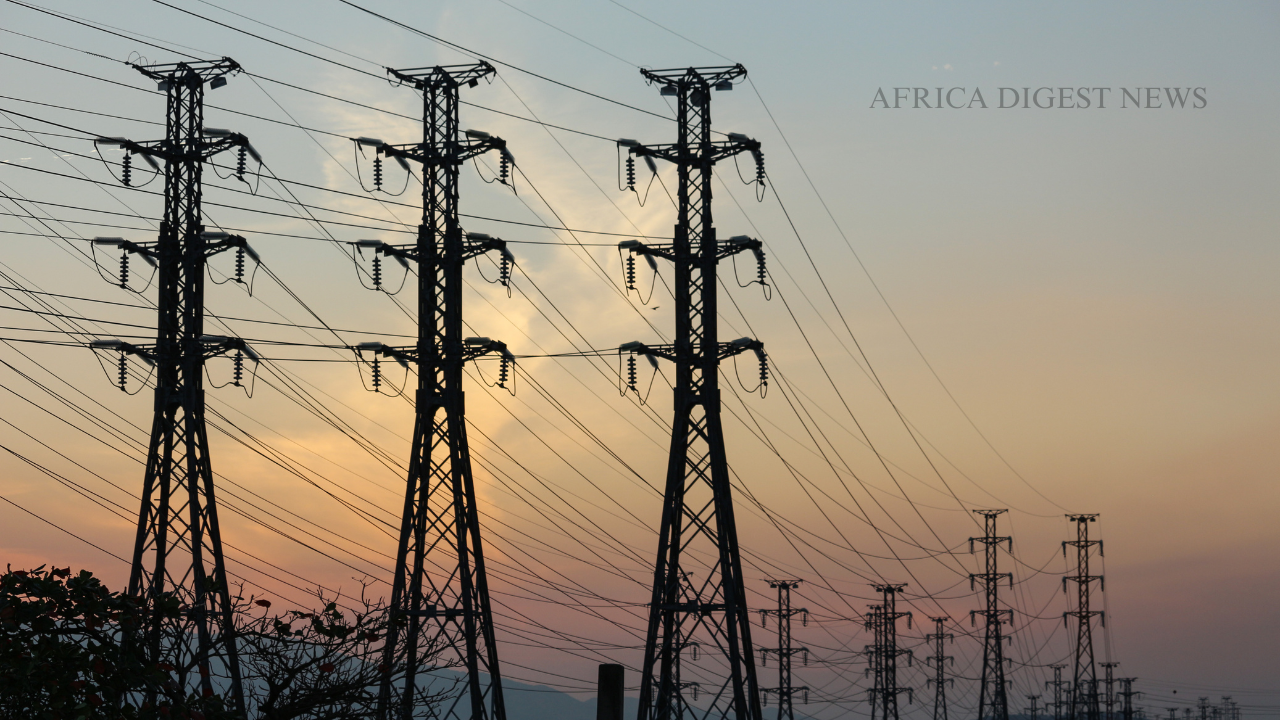
The financing will support construction of a 182-kilometre high-voltage transmission line between Aouinat Ezbel and Néma in southeastern Mauritania. Known as the “Line of Hope,” the project is designed to close gaps between regional grids, extend supply to new demand centres, and improve reliability for communities located along the corridor.
For Mauritania, the project addresses a structural weakness in its power system: limited long-distance transmission capacity. Without strong interconnections, generation assets remain isolated and regional supply remains uneven. The Nouakchott–Néma line is intended to reduce that fragmentation by tying eastern regions more firmly into the national network.
The project forms part of the country’s broader electrification agenda. Under its Energy Compact, Mauritania aims to reach full electricity access by 2030, up from an estimated 55 percent today. Meeting that target would require connecting an additional 3.4 million people over the next five years.
Read Also: Bamboo Solar Panda Login Guide for Kenya Users
Transmission expansion sits at the centre of this strategy. As of 2023, Mauritania’s grid comprised about 1,950 kilometres of high-voltage lines and 5,450 kilometres of medium- and low-voltage networks. Government projections show high-voltage lines expanding to roughly 4,500 kilometres by 2030, with medium- and low-voltage networks exceeding 10,000 kilometres.
Large transmission projects like the “Line of Hope” are therefore not symbolic. They are functional steps toward turning electrification targets into physical infrastructure—and determining whether national access goals remain policy statements or become lived reality.
By Thuita Gatero, Managing Editor, Africa Digest News. He specializes in conversations around data centers, AI, cloud infrastructure, and energy.