Written By: Jemosop Faith
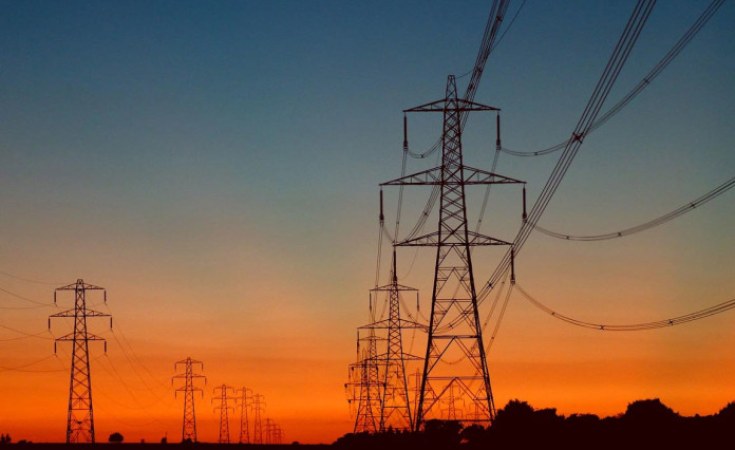
South Africa’s power grid is on life support. After years of neglect, corruption, and underinvestment, the system can no longer meet the country’s needs.
Load-shedding has become a grim routine. And now, the government’s latest plan to stabilize the grid involves cutting power intentionally not to conserve energy, but to make space for new sources.
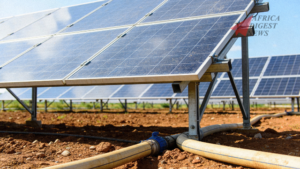
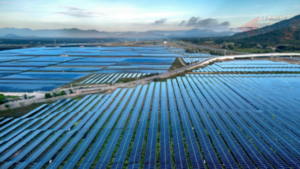
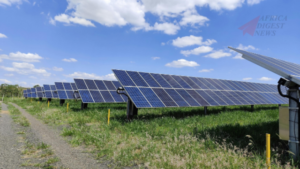
In a bold but controversial decision, Nersa approved curtailment: the National Transmission Company of South Africa (NTCSA) can now ask energy producers in overloaded zones to reduce their generation output. The goal? Free up enough network capacity to bring 3,470MW of new projects online.
It’s a technical move with massive consequences.
On the surface, this is smart. The current grid is maxed out. Curtailing older producers in over-saturated zones makes room for fresh capacity, especially from renewables. And South Africa badly needs new generation if it’s to avoid deeper stages of load-shedding.
But curtailment is not a sustainable solution. It’s a bandage on a bullet wound.
The real problem is that the national grid particularly in high-demand regions like the Western Cape and Gauteng hasn’t been upgraded fast enough to match South Africa’s growing energy needs. Bottlenecks are everywhere. Investment has lagged. Bureaucracy has stalled progress.
So now we’re robbing Peter to pay Paul. One producer must switch off so another can connect. It’s not long-term planning, it’s triage.
What’s worse, curtailment could send the wrong signal to investors. Developers who want to build new projects may hesitate if they know their generation rights can be curtailed later. And existing producers may feel punished for operating in the wrong part of the grid.
This could undermine efforts to expand renewable energy, a crucial part of South Africa’s path to energy security.
To be clear, Nersa’s decision is not reckless. It’s a measured response to a desperate situation. But it’s also a warning shot.
Read Also:
Eskom Hands Out R92 Billion Discount While South Africans Struggle to Pay
Without massive, accelerated investment in transmission infrastructure, this energy crunch will continue. The grid must be expanded, modernized, and future-proofed. Eskom must be restructured not just for generation, but for reliability and responsiveness.
And above all, public communication must improve. South Africans deserve to know what’s happening, why curtailment is necessary, what it will achieve, and how it will end.
Otherwise, the narrative remains the same: endless crises, temporary fixes, and no clear roadmap.