



Eight African countries are set to benefit from more than £2 million in UK-backed funding for clean-energy projects designed to address practical electricity challenges, including unreliable power supply, agricultural losses and limited access to dependable energy services. The funding supports initiatives at different stages of development, with the aim of testing solutions that can be expanded beyond initial demonstrations. Rather than concentrating on large power plants alone, the programme includes smaller-scale technologies designed around the needs of businesses, farmers, health facilities and communities.
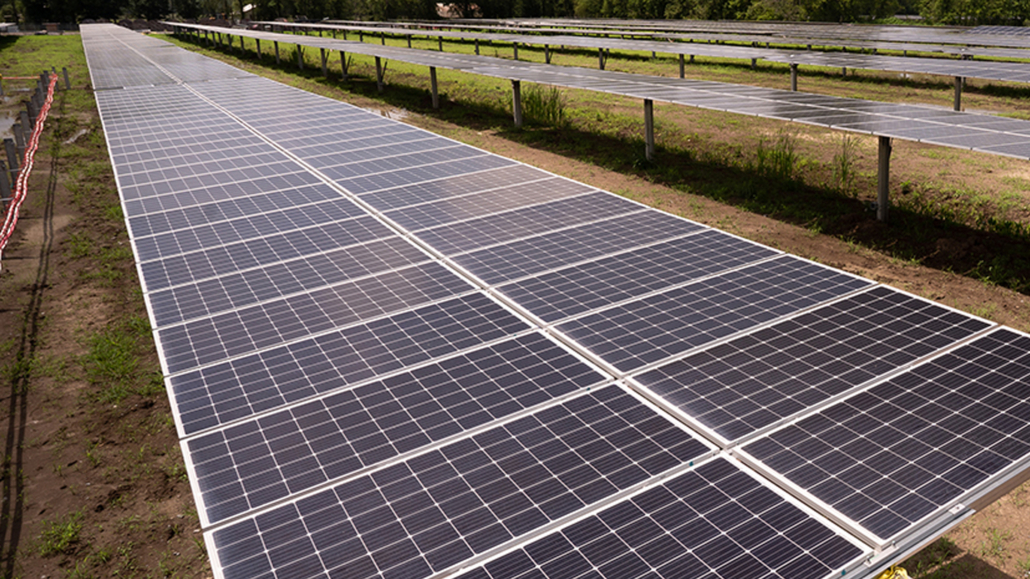
In Nigeria, the supported projects include solar-powered agricultural hubs and cold-storage solutions intended to help farmers and food businesses preserve produce for longer. Access to refrigeration can reduce post-harvest losses and give agricultural enterprises more flexibility over when they sell their products. However, cold storage depends on reliable electricity, and conventional grid supply can be costly or inconsistent in some locations. Solar generation can provide an alternative source of power, although the commercial viability of these facilities will depend on equipment costs, storage requirements, maintenance and the ability of users to pay for the service.
Kenya is among the countries where the funding supports solutions involving modular battery systems and solar power for health facilities. Battery storage can help businesses and institutions manage fluctuations in electricity supply by storing energy for use when generation falls or the grid is unavailable. At health facilities, solar paired with storage can support essential services that depend on continuous electricity, including lighting, refrigeration and medical equipment. The effectiveness of these systems will depend on whether they are sized to meet actual demand and whether operators can maintain batteries and other components over their operating lives.
Read Also: Why Solar Power Alone Is Not Solving Africa’s Energy Access Problem
The wider programme reflects a growing focus on matching clean-energy technologies to specific economic and social needs. Small businesses may need dependable power to keep equipment running, farmers require energy for irrigation and refrigeration, and health facilities need electricity to maintain essential services. Solar, battery storage, biogas and waste-to-energy systems can serve different roles in these settings, but no single technology suits every location. Project developers must consider local energy demand, available resources, operating costs and the capabilities of the organisations expected to manage the installations.
The funding is intended to help promising approaches demonstrate their value and establish a basis for wider deployment. However, project selection and initial support do not guarantee that every solution will become commercially sustainable or reach large numbers of users. Expansion will depend on the results of the demonstrations, access to follow-on finance, local technical capacity and business models that can cover ongoing operating costs. For the eight countries involved, the key outcome will be whether the funded projects can provide reliable energy services at a cost that users can sustain after the initial grant support ends.