




South Africa’s proposed 3,000 MW gas-to-power plant at Richards Bay could do more than add flexible electricity capacity to the grid. It could provide the long-term demand needed to make the Zululand Energy Terminal (ZET) commercially viable. Eskom and ZET signed a Heads of Agreement in June 2026 under which Eskom would become a foundation customer of the planned open-access LNG terminal. The distinction matters: Eskom is not developing the terminal, but its planned gas consumption could provide the anchor demand needed to unlock investment in the infrastructure required to import and regasify LNG.
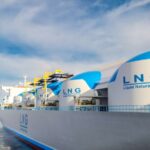
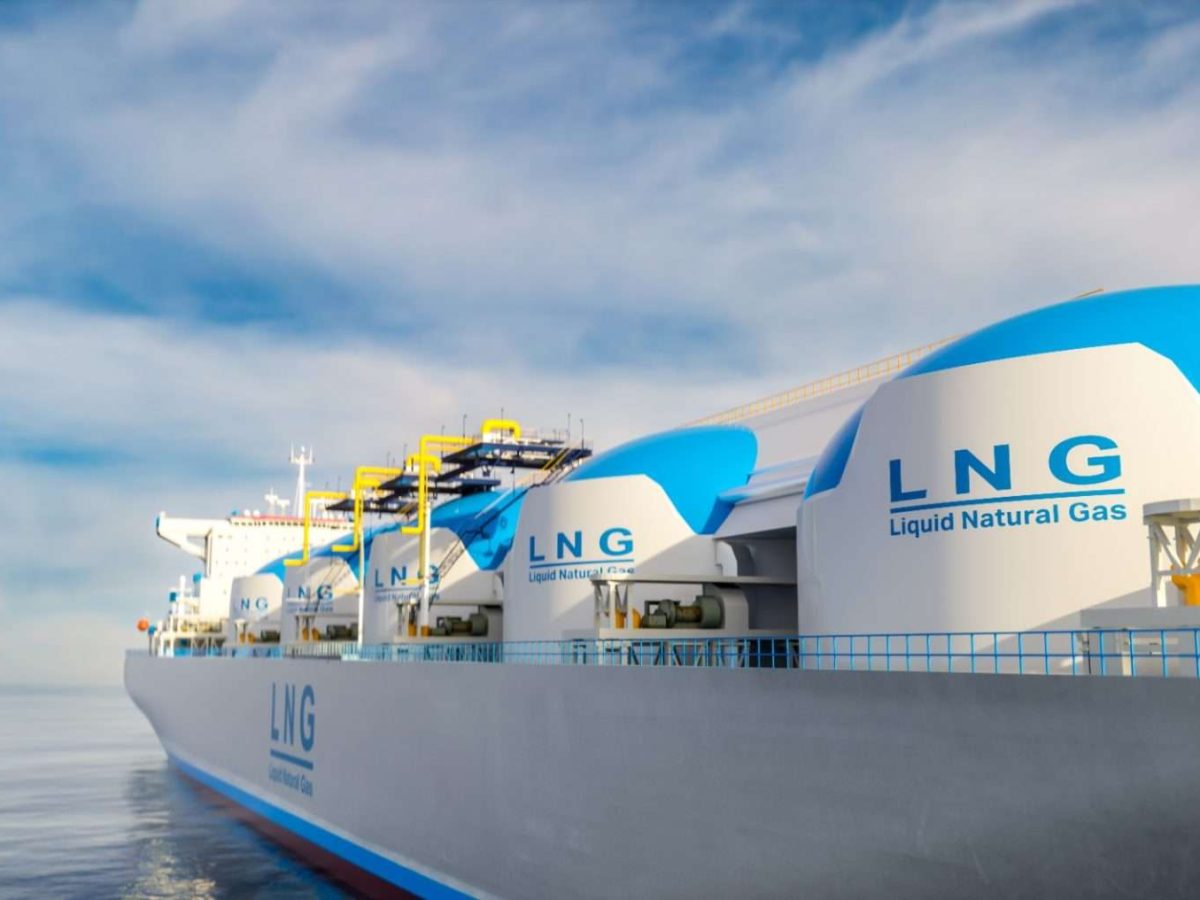
The ZET project is being developed by a joint venture between Vopak Terminal Durban and Transnet Pipelines under a 25-year terminal operator agreement with the Transnet National Ports Authority. Its initial configuration is expected to combine floating LNG storage with onshore regasification facilities at the Port of Richards Bay. But LNG terminals are expensive pieces of infrastructure, and their economics depend heavily on having customers willing to pay for access over long periods. Without predictable demand, the terminal can be technically feasible but commercially difficult to finance. Eskom’s proposed role therefore addresses one of the central questions facing the project: who will actually use the imported gas?
That demand is linked to Eskom’s planned 3,000 MW combined-cycle gas turbine plant in the Richards Bay Industrial Development Zone. Eskom has positioned the project as flexible, mid-merit capacity that could reduce dependence on open-cycle diesel generation while providing a dispatchable complement to growing renewable generation. Gas turbines can respond more flexibly than much of South Africa’s existing coal fleet, making gas potentially useful during periods when wind and solar output falls or when additional system capacity is required. But the power plant itself also depends on reliable access to gas, creating a commercial relationship in which the terminal and the generation project reinforce each other.
Read Also: Why Is Africa Installing 100,000 Solar Panels Every Day?
That is why the next stage is about converting intentions into contracts. Eskom and ZET are working on long-term commercial arrangements, regulatory approvals and the infrastructure required to connect the LNG terminal to the planned power plant and the electricity grid. The June agreement establishes Eskom’s intended position as a foundation customer, but binding long-term terminal-use and offtake agreements are still being negotiated. Those contracts matter because they can give lenders and investors greater visibility over future revenues, while also giving Eskom greater certainty over the fuel supply required for its gas-to-power programme.
The broader lesson for South Africa’s gas infrastructure is that large energy projects rarely move independently. A terminal needs customers; a gas plant needs fuel; investors need contracts; and the industrial economy needs reliable energy. The proposed Richards Bay system is therefore being built around a chain of commitments rather than a single project. If Eskom converts its foundation-customer position into binding demand, the 3,000 MW plant could become the commercial anchor for an LNG import infrastructure that also serves industrial users and potentially a wider regional gas market. Until those commitments are finalised, however, ZET remains a project with a potentially important customer—not yet a fully bankable gas infrastructure system.


