




Nelson Mandela University wants to get about 80% of its electricity from renewable energy by May 2027, but it is not planning to build enough solar panels to do it alone. The university is combining a new 4.4 MW rooftop solar platform across its seven campuses with a 10-year renewable power agreement with Etana Energy. The arrangement is expected to provide 50–55% of NMU’s electricity through wheeling, while onsite solar supplies another 25–30%. Eskom will still provide roughly 20%. The interesting part is that NMU is not trying to become an electricity trader itself. It is using one.
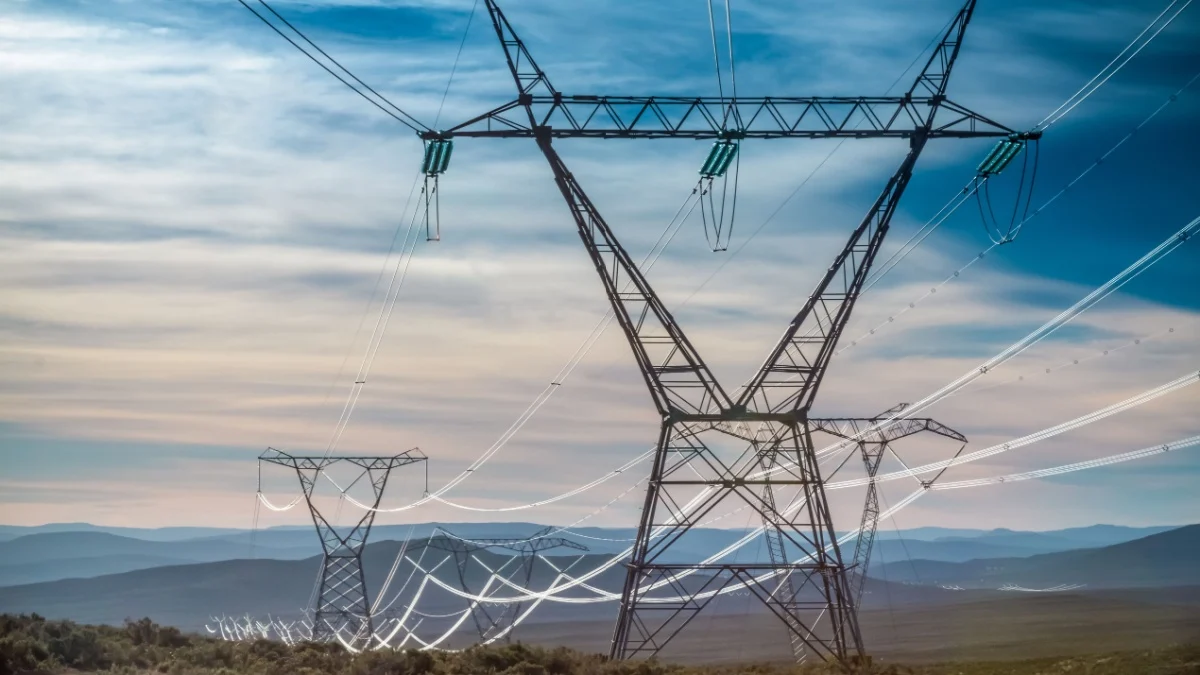
Etana Energy sits between the university and the renewable generators. As the licensed electricity trader and PPA counterparty, it can aggregate power from different renewable projects and sell that supply to NMU under one agreement. The electricity is generated elsewhere, injected into Eskom’s network and wheeled to the Nelson Mandela Bay area, where the university’s campuses are connected. NMU therefore does not have to negotiate and manage separate contracts with every solar or wind project supplying its renewable electricity.
That intermediary role solves a problem that becomes much harder when a large customer has multiple sites and a renewable supply that changes with the weather. Solar does not produce the same amount of electricity throughout the day, while a university’s demand does not necessarily follow the sun. A portfolio approach gives Etana room to manage those differences, reconcile metered volumes and settle the renewable supply through the grid. NMU effectively buys a contracted electricity product rather than trying to manage the underlying generation itself. It also gets a single commercial relationship for the renewable portion of its supply.
Read Also : Can Namibia Turn Green Hydrogen Into Real Industrial Growth
The economics are another reason the model matters. NMU currently spends about R60 million a year on electricity. The Etana agreement is expected to save around R2–2.5 million annually, while the 4.4 MW solar platform could generate another R8–10 million in yearly savings. More than 8,500 panels will be installed across the campuses, building on the university’s existing 1 MW solar plant at Summerstrand. The programme is also expected to cut carbon emissions by about 12,000 tonnes a year. This is therefore not simply an environmental programme; it is an attempt to make one of the university’s largest operating costs more predictable.
The bigger story is what happens when this model moves beyond universities. South Africa’s renewable market is increasingly allowing large electricity users to separate the grid from the source of their electricity: Eskom can remain the network through which power moves even when the electrons are contracted from private renewable generators. Traders such as Etana make that market easier to use by aggregating supply, handling settlement and taking on some of the complexity between generators and customers. If NMU reaches its 80% renewable target, the lesson may not be that every university needs thousands of solar panels. It may be that large institutions can increasingly buy power like any other major commodity choosing who generates it, who manages it and how much of the grid they actually depend on.


