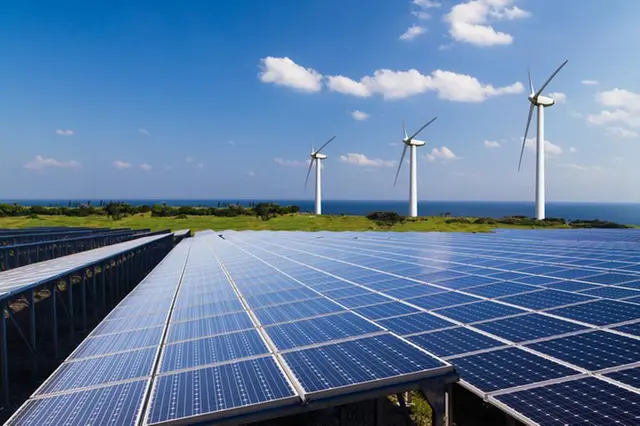



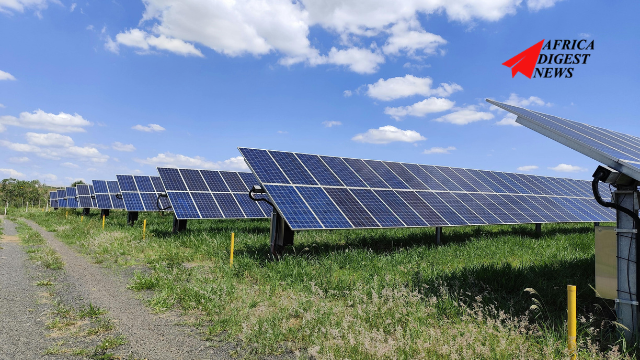
A R230 million solar-and-storage project in South Africa’s Western Cape is giving one municipality a way to reduce its dependence on Eskom. The Riversdale Solar Plant, inaugurated on 30 September 2026 in Hessequa Local Municipality, combines 10 MWp of solar PV with a 10 MWh battery energy storage system, creating a locally controlled source of electricity for the town and surrounding municipal network.
The project is expected to generate up to about 15 million kWh of electricity a year, enough to cover roughly 15–20% of Hessequa’s total electricity demand. The battery adds another layer to the project by allowing the municipality to store electricity and discharge it when demand is high or Eskom power is more expensive. Advanced monitoring and control systems are also designed to help the municipality manage generation and consumption in real time.
That changes the economics beyond simply producing cheaper renewable electricity. Municipalities buy electricity from Eskom and then distribute it to customers, while also dealing with rising tariffs and periods of supply instability. Generating some electricity locally gives Hessequa another source of supply and allows it to use storage to manage peak demand. The municipality can therefore reduce its exposure to Eskom costs while retaining greater control over how electricity is supplied across its network.
Read Also: Why Morocco Has Become GAC’s Gateway to a New-Energy Africa
The Western Cape Government has described Riversdale as an energy-independence first for South Africa, with the project intended to make the town significantly less dependent on Eskom and support a move toward load-shedding-free local supply. The project was funded jointly by the Western Cape Government and Hessequa Municipality, with reported costs ranging from about R210 million to R231 million. Its significance therefore extends beyond the 10 MW of generation: it demonstrates how a municipality can combine its own generation, batteries and digital controls as part of electricity planning.
The bigger question is whether Riversdale can become a model other municipalities can replicate. South Africa’s municipal electricity system faces rising costs, unreliable supply and ageing infrastructure, creating pressure for local governments to find alternatives without abandoning the national grid. Solar and batteries do not eliminate that dependence, but they can reduce it—and if more municipalities can finance similar systems, electricity generation could increasingly become part of local infrastructure rather than something municipalities simply purchase from Eskom.