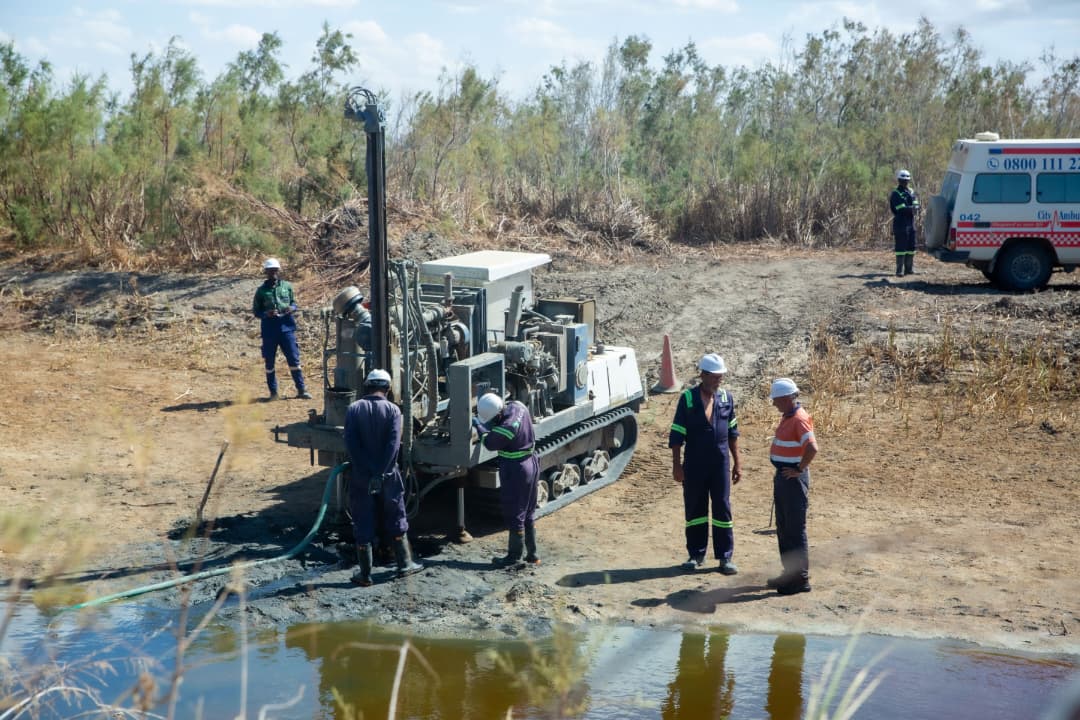




As much as 86% of global natural gas production in 2055 is expected to come from fields that are not producing today, highlighting the scale of exploration, development and investment required to maintain future supplies, according to the Gas Exporting Countries Forum (GECF).
The projection appears in the organisation’s Global Gas Outlook 2055, which forecasts global natural gas demand rising from 4,137 billion cubic metres (bcm) in 2024 to 5,417 bcm by 2055. The report suggests that future supply will depend not only on existing producers increasing output, but also on new fields being discovered, financed and brought into production as established reservoirs decline.
The scale of the projected shift has significant implications for Africa, where countries including Mozambique, Nigeria, Tanzania, Senegal and Mauritania are pursuing gas developments at different stages. The GECF estimates that the continent will require approximately $1 trillion in cumulative investment across the natural gas value chain to develop resources and supporting infrastructure. That requirement extends beyond exploration and drilling to processing facilities, pipelines, liquefied natural gas (LNG) plants and connections to domestic and export markets. The figure represents an estimated future investment need, not capital already secured.
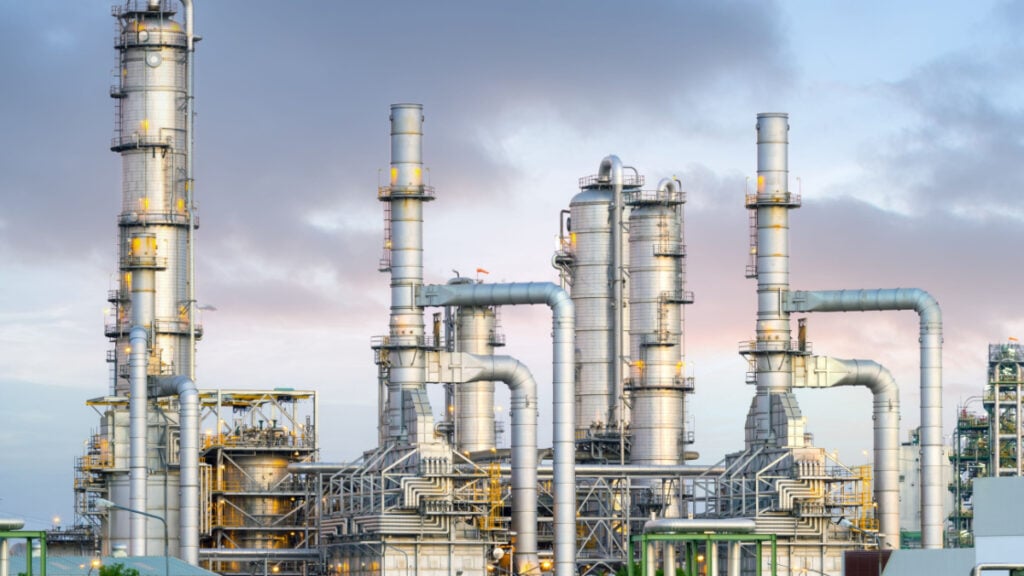
The GECF’s outlook also points to a more capital-intensive global gas industry. It estimates that meeting future demand through 2055 will require $11.6 trillion in upstream investment and approximately $735 billion in midstream infrastructure. These investments will be needed to develop new supply, replace declining production and expand the infrastructure required to transport gas to consumers. The report also projects global gas trade increasing from 1,211 bcm in 2024 to 1,767 bcm by 2055, with LNG accounting for a growing share of traded volumes.
Read Also: Zambia’s 56 MW Solar Project Moves Into Construction After Securing $52 Million
For African producers, the opportunity will depend on whether new projects can move from resource potential to commercial production. Deepwater developments and LNG projects can require substantial upfront capital, lengthy construction periods and long-term agreements with buyers. In countries where domestic pipeline networks and gas distribution infrastructure remain limited, the availability of export markets does not automatically mean that gas will reach local power plants, manufacturers or households. Financing conditions, project execution, regulation and the availability of infrastructure will therefore influence how much of the continent’s resource base becomes productive supply.
The forecast remains a long-term scenario rather than a guarantee of future production or demand. Projects may be delayed, redesigned or abandoned if costs, financing conditions, market prices or policy priorities change. The central issue raised by the GECF’s projection is that future gas supply will depend heavily on investment decisions made well before 2055. For Africa, the challenge is to attract the capital required to develop new resources while building the infrastructure and domestic markets needed to translate production into reliable energy and economic activity.