



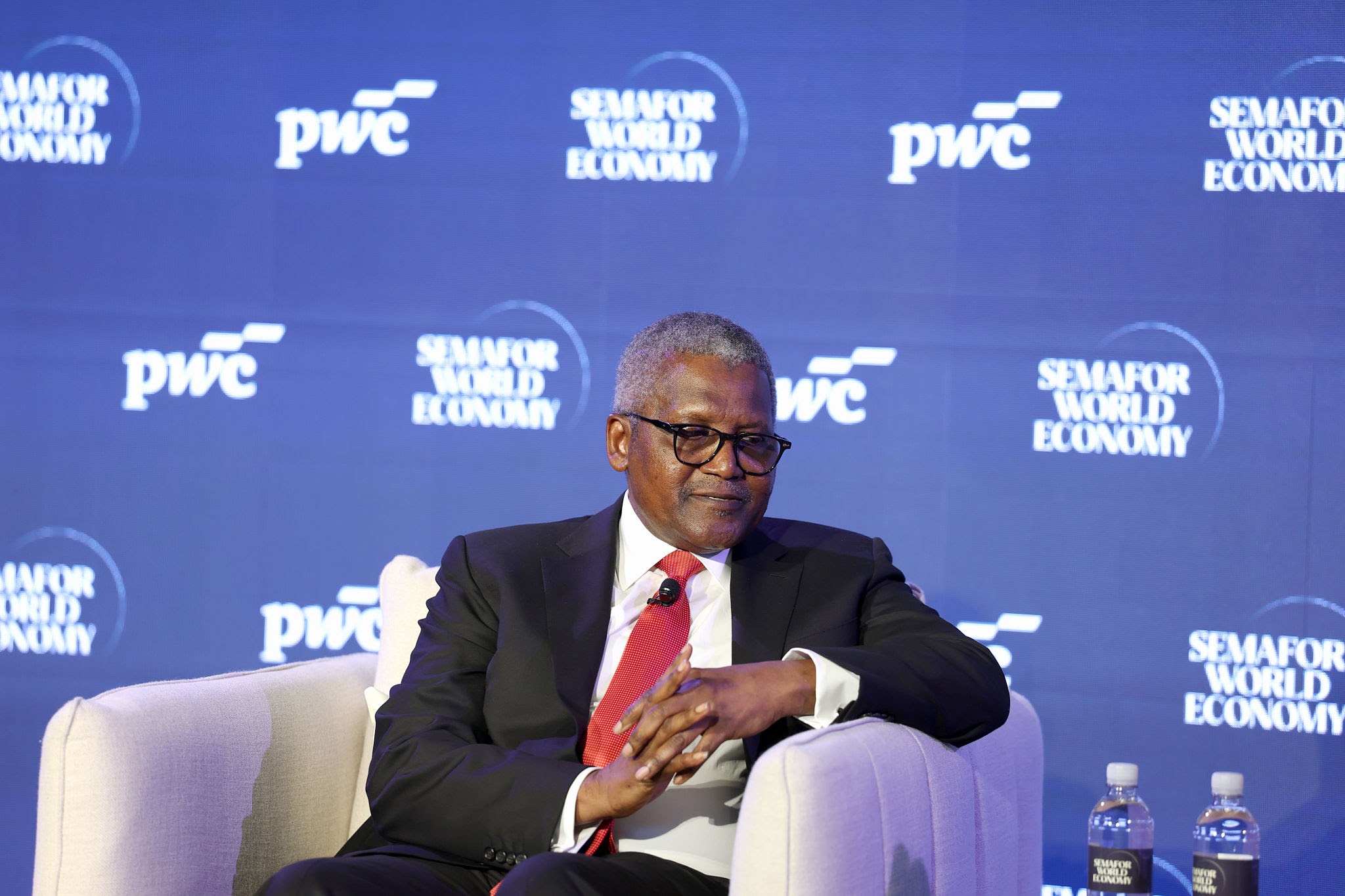
Nigerian industrialist Aliko Dangote has acquired a 24.76% stake in Kenya Pipeline Company (KPC) for KSh42.5 billion (approximately US$327 million), adding a major fuel transportation asset to his expanding energy interests in East Africa. The acquisition gives Dangote a substantial shareholding in the company that moves petroleum products from the port of Mombasa to inland markets and neighbouring countries, as he advances plans to build a 700,000-barrel-per-day refinery in Lamu. Dangote confirmed the purchase at the Financial Times Africa Summit in London on 21 October, identifying his group as the buyer behind a block transaction reported on the Nairobi Securities Exchange two days earlier.
The transaction involved approximately 4.5 billion KPC shares that changed hands for KSh42.5 billion. The shares were sold by state-linked institutions that had acquired holdings during KPC’s initial public offering earlier in 2026. The purchase represents a transfer of existing shares between investors, rather than a fresh capital injection into KPC or a new sale of the Kenyan government’s retained stake. Dangote did not disclose which company within his group acquired the shares. Following the transaction, the government retains a 35% stake, while the National Social Security Fund and Uganda National Oil Company remain among the company’s other major shareholders.
KPC’s strategic importance lies in the infrastructure it operates. Its pipeline and storage network transports imported petroleum products from Mombasa to major consumption centres, including Nairobi and western Kenya, while supporting supplies to landlocked regional markets. An ownership interest therefore gives Dangote exposure to an established distribution system serving fuel demand across East Africa. The company’s network is distinct from the proposed Lamu refinery: the KPC stake provides an interest in existing transportation infrastructure, while the refinery would add new fuel-processing capacity if it is completed.
The acquisition follows the groundbreaking of the proposed Lamu refinery on 30 September 2026. The facility is designed to process up to 700,000 barrels of crude oil per day, with completion targeted for around 2030. Kenyan officials have put the project’s cost at approximately US$16 billion, while estimates and descriptions of the wider development have varied. Dangote has offered regional governments a combined 30% stake in the refinery, including a proposed 10% holding for Kenya. The refinery remains a separate development project requiring substantial financing, construction and coordination among investors and governments.
Read Also: South African Banks Launch Joint Platform to Expand Renewable Energy Financing
Dangote has also discussed expanding pipeline infrastructure and developing a link between the Turkana oil fields in north-western Kenya and Lamu. Such a connection could, if developed, help move domestically produced crude towards the proposed refinery and related export infrastructure. However, the Turkana–Lamu pipeline remains a separate proposal and should not be confused with KPC’s existing refined-petroleum network or treated as part of the share acquisition. The proposed refinery’s scale and the additional infrastructure under discussion point to an ambition that extends beyond owning a stake in fuel distribution to connecting crude supply, refining, storage and regional markets.
The commercial outcome will depend on how these separate investments develop. KPC already operates an established network, but the Lamu refinery and any new crude pipeline require further execution, financing and infrastructure delivery before they can contribute to regional fuel supply. The acquisition gives Dangote a foothold in an existing distribution business while his refinery plans remain under development. Together, the moves signal a broader effort to establish a presence at different stages of East Africa’s petroleum value chain, from processing fuel to transporting it to customers.