



Southern Africa has an established regional electricity market, but moving power between countries remains more complicated than matching a buyer with a seller. The Southern African Power Pool (SAPP) coordinates electricity trading among participating utilities and market players, allowing countries to buy power when domestic supply falls short and generators to sell surplus electricity across borders. Yet the region’s trading potential is constrained by transmission capacity, uneven electricity supply, financing limitations and differences in national energy priorities. In August 2026, SAPP’s competitive markets recorded 191.2 GWh in traded electricity, but transmission bottlenecks along the central corridor prevented 33% of matched bids from being traded.
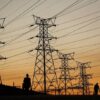
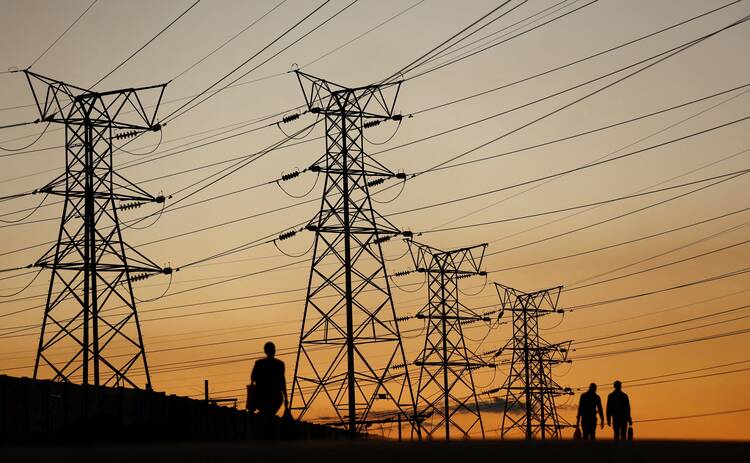
The first obstacle is physical infrastructure. Electricity can only be traded when transmission networks have sufficient capacity to carry it from the exporting country to the importing market. Congestion on key interconnectors can prevent a commercially agreed transaction from being delivered, even when a generator has electricity available and a buyer is willing to pay.
The African Development Bank’s completion report on the Mozambique–Zambia 400 kV interconnection project identifies transmission congestion and depleted network capacity as barriers to efficient electricity trading and dispatch. Expanding cross-border lines and strengthening existing transmission corridors are therefore essential to increasing regional trade.
The second challenge is that electricity surpluses are not always available when neighbouring countries need them. Drought can reduce hydropower output, while equipment failures, rising demand and domestic supply shortages can limit exports from countries that would otherwise sell electricity. During the 2024–2025 period, competitive-market trading accounted for a smaller share of SAPP transactions as countries prioritised supply security amid drought conditions. The World Bank reported that the share of SAPP electricity trading conducted through competitive markets fell from 16% between April 2023 and March 2024 to 7% between April 2024 and January 2025. This illustrates how national supply pressures can reduce the electricity available for regional trade.
Commercial and financial barriers also matter. An electricity import agreement requires more than a negotiated price: counterparties need contracts, payment arrangements, transmission access and confidence that electricity will be delivered as scheduled. Importing utilities must also be able to finance purchases, while exporting utilities must balance potential export revenue against their domestic supply obligations. South Africa’s National Transmission Company has identified limited regional transmission capacity, insufficient generation available for export and neighbouring countries’ ability to fund imports among the challenges affecting its international trading activities. These constraints can make trade difficult even when there is a clear need for additional electricity.
Read Also: Côte d’Ivoire’s Kong Solaire Project Secures €50 Million Financing Agreement
The region’s market structure adds another layer of complexity. SAPP supports both bilateral agreements between parties and competitive trading mechanisms, but a functioning regional market depends on countries and utilities being able to transact under compatible operational and commercial arrangements. Not all countries are connected to the SAPP grid, and new interconnectors require substantial investment, regulatory coordination and project preparation. The World Bank’s RETRADE-SA programme is intended to expand regional electricity trading by strengthening SAPP institutions, preparing regional projects and improving the conditions needed for greater market participation. The programme’s second phase was designed around US$38 million in financing, including a US$36 million grant from the International Development Association.
The economic case for regional trading remains significant. The World Bank estimates that regional energy integration could save up to US$42 billion in power-system costs between 2017 and 2040 through economies of scale and more efficient use of generation resources. SAPP has set a target of increasing the share of wholesale electricity traded through its market to 50% by 2030. Reaching that ambition will require more than expanding the trading platform: countries need to build transmission links, improve the reliability of supply, strengthen the financial position of utilities and establish arrangements that allow electricity to move across borders when and where it is needed. The region’s challenge is not simply to create more opportunities to trade power, but to ensure that those transactions can be financed, delivered and sustained.


