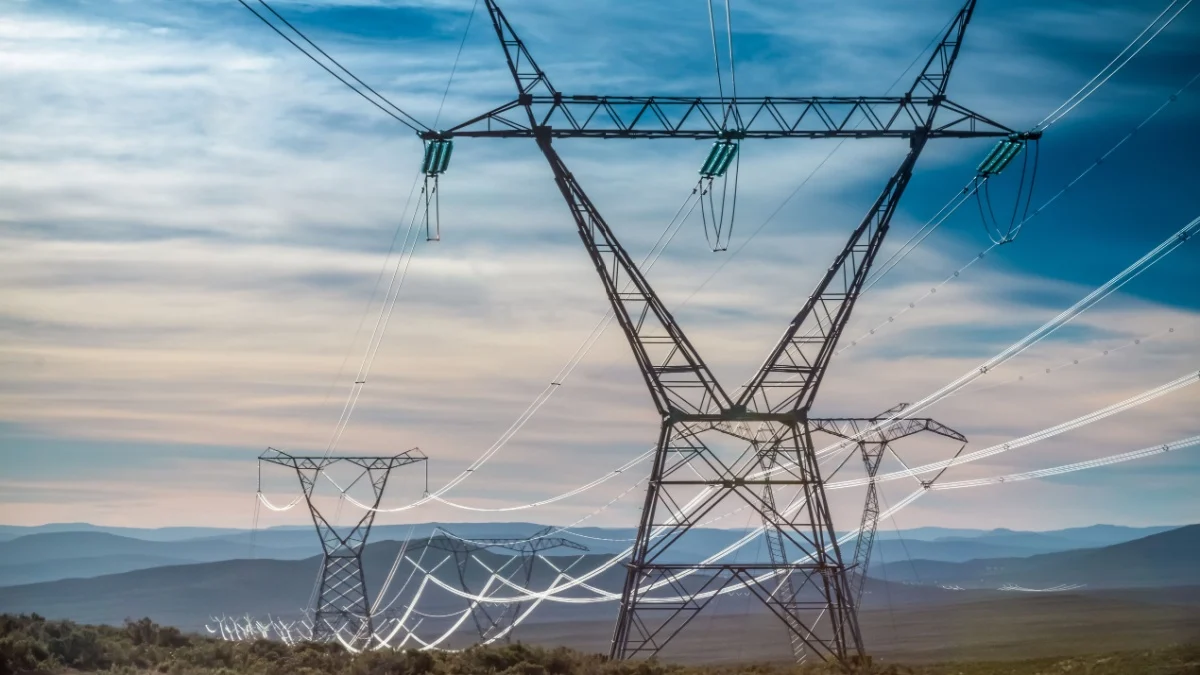






Development banks are combining direct lending, syndicated loans and concessional finance to support Egypt’s planned 1.2 GW Nefer Minya solar project, illustrating how public and development finance institutions can help mobilise the capital required for large-scale renewable energy infrastructure. The European Bank for Reconstruction and Development (EBRD) is arranging a loan of up to US$265 million for Nefer Menya for Renewable Energy, the project company owned by Infinity Power and HAU Energy. The wider debt financing package totals up to US$566 million, with Germany’s DEG, the Dutch Entrepreneurial Development Bank (FMO) and France’s Proparco participating alongside the EBRD. The plant will also include a 600 MWh battery energy storage system. EBRD
The EBRD’s financing demonstrates how a development bank can use different funding channels within a single transaction. Its package includes a US$160 million loan from its own resources, a US$75 million syndicated loan mobilised from Bank of Jordan and up to US$30 million in concessional financing from the Clean Technology Fund under its Global Energy Storage Programme. These components have different roles: the EBRD supplies direct lending, the syndicated loan brings in another lender, and concessional finance supports the storage component. Together, they form part of the broader project financing rather than representing separate investments to be added to the US$566 million total.
Concessional funding can be particularly relevant to battery storage, which adds upfront capital costs to a solar project but allows electricity generated during the day to be used during evening demand. By helping finance this component on more favourable terms, development institutions can improve a project’s financing structure while supporting technology that may otherwise be harder to fund on commercial terms. The EBRD says the Nefer Minya battery system will store daytime solar generation for use during peak demand after sunset, helping improve grid reliability.
The financing structure also distributes participation across institutions rather than requiring one lender to provide the entire debt package. Development finance institutions can offer longer tenors or grace periods, mobilise co-financiers and support projects that may face barriers in commercial lending markets. In its project documentation, the EBRD identifies longer repayment terms, a grace period and access to foreign-currency financing as elements of its additionality. These features matter for infrastructure projects that require substantial expenditure before they begin generating revenue. However, the involvement of development banks does not eliminate construction, currency, regulatory or operational risks.
Read Also: Why Kariba Dam Can Be Fully Rehabilitated and Still Struggle to Generate Electricity
Once completed, Nefer Minya is expected to sell electricity to the Egyptian Electricity Transmission Company under a 25-year power purchase agreement. The project is projected to supply enough electricity for more than 1.4 million homes and avoid over 1.5 million tonnes of carbon dioxide emissions annually. It also supports Egypt’s Nexus of Water, Food and Energy initiative, which aims to facilitate 10 GW of new private-sector renewable capacity while reducing 5 GW of inefficient fossil-fuel capacity. These benefits remain projected outcomes, not results already achieved.
The wider significance of the deal lies in how its financing combines institutional lending, mobilised capital and concessional support around a single infrastructure project. For Egypt, the immediate objective is to build new generation and storage capacity. For development finance institutions, the transaction provides an example of how multiple funding sources can be structured to support a capital-intensive renewable energy investment. Whether the model can be replicated elsewhere will depend on each country’s regulatory environment, grid readiness, credit arrangements and ability to secure long-term buyers for the electricity produced.