


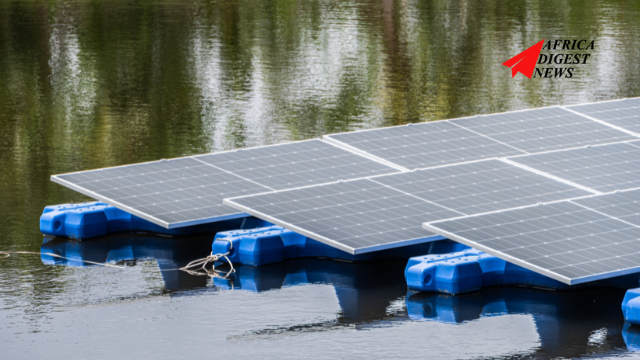
Africa added renewable energy capacity at its fastest pace on record in 2025, but the continent still accounted for only a small fraction of global clean energy growth. The latest figures show Africa’s installed renewable capacity reached 82.4 GW in 2025, up from 71.1 GW in 2024, representing 15.9% annual growth. Yet despite that progress, Africa contributed only about 1.6% of global renewable capacity additions during the year.The continent is building momentum, but it is still doing so from a relatively small base.
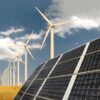
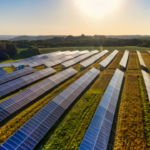
Hydropower remains Africa’s largest renewable energy source, but solar and wind are driving the fastest expansion.Installed solar capacity increased from 18.4 GW to 22.2 GW, while wind capacity rose from 9.6 GW to 11.5 GW. South Africa retained its position as the continent’s largest renewable energy market with approximately 16.6 GW of installed renewable capacity. Globally, however, renewable deployment reached another level altogether. Around 692 GW of new renewable capacity was added in 2025, with solar and wind accounting for the overwhelming majority of installations. Africa’s growth rate is impressive. Its share of global deployment remains modest.
The continent has abundant solar resources, growing electricity demand, and increasingly competitive renewable technologies. The barriers are elsewhere. High financing costs continue to make projects more expensive than in developed markets. Grid infrastructure struggles to keep pace with new generation. Utility balance sheets remain weak in many countries, increasing payment risk for investors. Project development timelines are often slowed by permitting, procurement, and regulatory uncertainty. These are capital and institutional challenges.
Read Also: Grid Gap in Focus as Southern African Utility Leaders Join AEW Power Africa Today
Strong percentage growth should not create complacency. Africa needs renewable deployment at a much larger absolute scale to meet rising electricity demand, expand energy access, and support industrial growth. Every additional gigawatt improves energy security. Every delayed project widens the supply gap. The encouraging trend is that investment is increasingly flowing into utility-scale solar, wind, battery storage, and transmission infrastructure. Development finance institutions, commercial investors, and governments are showing greater willingness to structure bankable projects across the continent. The foundation is improving. The pace now needs to accelerate.
Africa’s renewable energy story is no longer about proving that clean energy works. That debate has largely been settled. The next challenge is scaling investment quickly enough to match the continent’s economic ambitions. The countries that strengthen regulation, improve utility creditworthiness, modernize their grids, and reduce financing costs will capture a disproportionate share of the next wave of renewable investment.