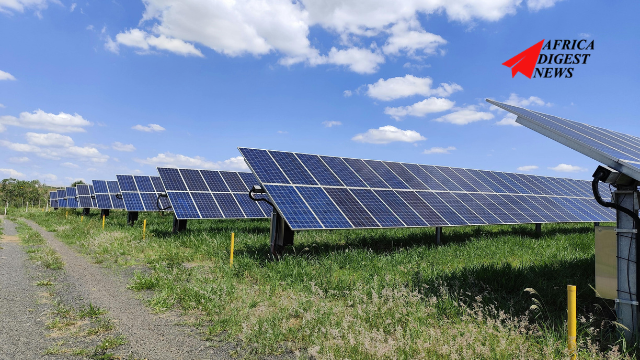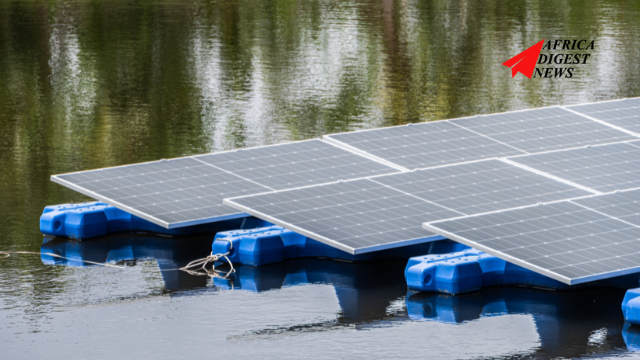





Africa is home to about 20% of the world’s population, 8% of proven oil reserves, 8% of proven natural gas reserves and around 60% of the world’s best solar resources. Yet the continent has often had far less influence over the global energy decisions shaping how those resources are developed, financed and used. Now, WPC Energy and the African Energy Chamber are pushing a different message: Africa’s energy future must be shaped by Africans.
In a joint statement, the two organisations said African governments, national energy companies and industry institutions need to play a stronger role in global energy discussions. Their argument is bigger than ownership of resources. Africa also brings growing energy demand, a young population, technical talent and an opportunity to develop solutions around energy security, economic growth and emissions reduction. In other words, Africa is not simply where the world can find energy, it is increasingly part of the answer to the world’s energy problem.
The timing is significant. The 25th WPC Energy Congress is scheduled for Riyadh from October 11 to 15, while African Energy Week will take place in Cape Town from October 12 to 16. The two gatherings will bring investors, policymakers, energy companies and industry leaders into the same global conversation, with African opportunities and priorities expected to feature prominently. For African countries, the challenge is turning visibility at these events into influence over the deals, policies and investment decisions that follow.
Read Also: Why Is Africa Installing 100,000 Solar Panels Every Day?
That also means changing how Africa approaches partnerships. Foreign capital, technology and expertise remain critical, but African institutions need to have a stronger hand in deciding what gets built, where investment goes and how much value stays on the continent. Oil and gas projects should create local industrial capacity. Solar and wind projects should support manufacturing and productive industries. Energy infrastructure should expand access while creating businesses, skills and jobs. An Africa-led energy transition does not mean Africa working alone; it means Africa negotiating from a position of agency.
That is ultimately what the global energy dialogue is becoming a test of. Africa cannot simultaneously be one of the world’s largest sources of future energy supply and remain a passive participant in deciding how that energy economy develops. The continent has the resources, the demand and the opportunity. The harder question is whether African governments and institutions can turn those advantages into the power to shape the rules, investments and partnerships defining the next energy era.