
Africa’s energy transition is increasingly being framed around a more basic development challenge: adding enough reliable electricity to support industrialisation, economic growth and universal access. That is the thinking behind African Energy Week (AEW) 2026 in Cape Town from 12–16 October, where the theme “Affordable and Abundant Energy for Africa” puts power expansion alongside decarbonisation rather than treating the two as separate objectives.
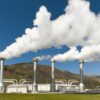
The approach challenges the idea that Africa’s energy transition is simply about replacing one fuel with another. With large parts of the continent still lacking reliable electricity, AEW argues that countries need to expand generation across a range of resources, including natural gas, hydro, solar, wind and geothermal, according to their development needs and available resources. The focus is therefore on adding capacity rather than reducing the energy system to a single preferred technology.
Natural gas occupies an important position in that approach because it can provide dispatchable power when renewable generation fluctuates. AEW’s programme positions gas not only as a fuel for electricity generation but also as an industrial feedstock for fertiliser and petrochemicals, while reliable gas-fired generation can help grids accommodate larger volumes of variable solar and wind power.
Read Also: Why CWP Is Putting 30 GW of Renewables Behind One Mauritania Project
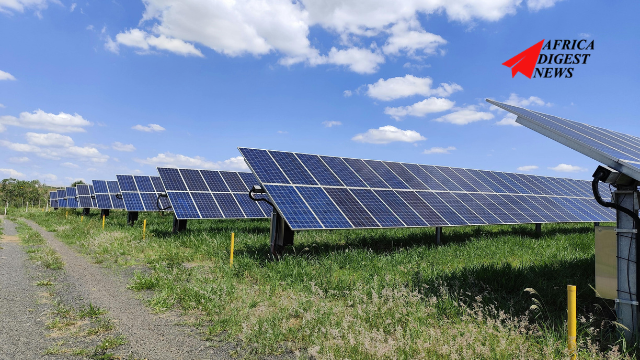
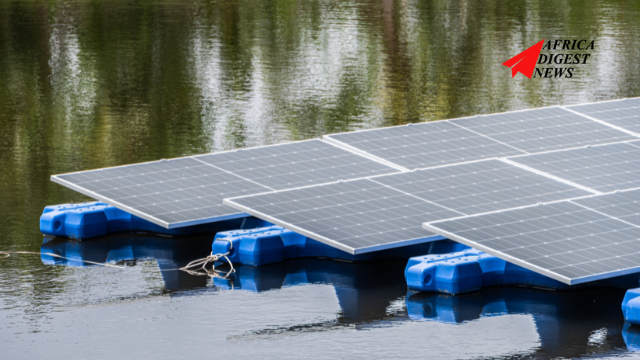
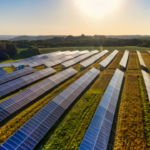
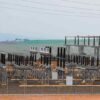
At the same time, the programme puts significant emphasis on expanding renewable generation and the infrastructure around it. Utility-scale solar and wind, hydropower, geothermal projects, mini-grids and off-grid systems are being considered alongside transmission expansion, grid modernisation, storage and regional electricity markets. The new Power Africa Today platform is designed to bring these issues together around generation, transmission, financing and regional integration.
The underlying challenge is turning this broader energy mix into projects that can actually be financed and built. Africa needs generation, but it also needs transmission networks, reliable offtakers, financing structures and regional power markets capable of absorbing new capacity. That makes the next phase of the transition less about choosing between gas and renewables and more about building an electricity system large and reliable enough to support the continent’s development.