

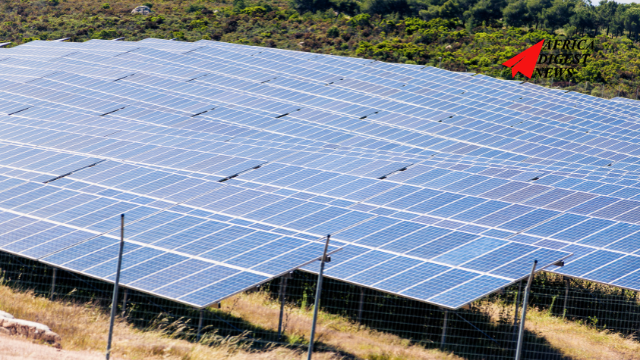
Solar power is expanding electricity access across Africa, but reliable energy requires more than installing panels. In many markets, businesses and essential services need electricity that can keep running through grid outages, preserve perishable goods, power equipment and support productive activity. A new round of UK-backed clean-energy funding is targeting these practical challenges, with more than £2 million allocated to ten projects across eight African countries through the ZE-Gen Scale-up Fund. The projects focus on technologies that have already been tested and are now moving towards wider deployment.
In Nigeria, the gap between electricity access and productive use is particularly visible in food markets. Farm Warehouse plans to install 100 solar-powered cold-storage systems for vendors in major markets, while KAMIM Technologies is developing four solar-powered agricultural hubs combining irrigation, cold storage, ice production and grain processing. These applications show why energy access is not simply about lighting homes or charging phones: refrigeration can help traders preserve fish and meat, while reliable power for processing and irrigation can support agricultural businesses beyond the farm gate.
Kenya’s projects target a different problem: keeping essential facilities running when grid electricity is unreliable. Acele Africa will deploy modular battery systems assembled in Kenya for sites including health facilities and schools, while SHIELD, a University of Oxford spin-out, will begin with a major Kenyan hospital, replacing diesel-based power with solar and battery storage through a financing model intended to reduce the cost of switching. The approach addresses both reliability and the cost of maintaining backup generation, which can make dependable electricity expensive for institutions that cannot afford interruptions.
The other projects underline how varied the challenge is across the continent. AceOn will deploy battery systems for telecommunications and healthcare in Uganda and test sodium-ion batteries as an alternative to lithium-ion technology. In Mozambique, Gommyr plans solar-and-battery-powered fishing hubs, while Rwanda will use second-life batteries and Lesotho will deploy modular battery systems for mini-grids.
Read Also: Why Morocco Has Become GAC’s Gateway to a New-Energy Africa
Projects in Madagascar and Tanzania will focus on rural electrification and solar power for small businesses. The technologies differ, but each is designed around a specific service or economic activity that needs dependable electricity.
Solar panels can generate electricity, but businesses and public facilities may also need storage, refrigeration, productive equipment, maintenance and financing that spreads upfront costs over time. ZE-Gen’s scale-up funding is intended to help tested approaches reach more users, but long-term impact will depend on whether the systems remain affordable, reliable and maintainable after deployment.
Africa’s energy-access challenge is therefore shifting from supplying electricity alone towards delivering power that people and businesses can use consistently to improve services, reduce operating costs and generate income.


