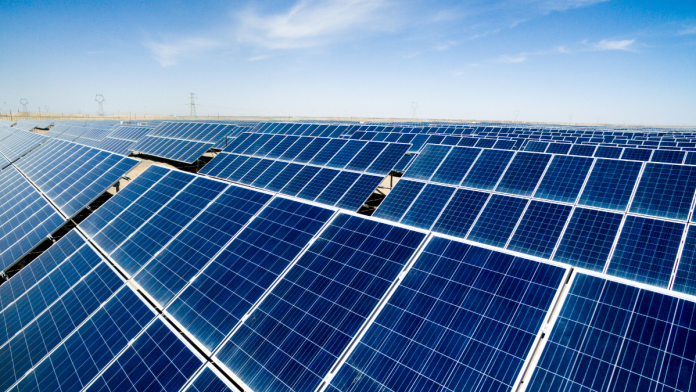

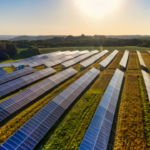


Egypt is accelerating its renewable energy ambitions. The country has formally raised its target to generate 45% of its electricity from renewable sources by 2028, bringing the deadline forward from its previous 2030 horizon and setting a target slightly above its earlier 42% commitment. But reaching 45% will require more than building solar and wind farms. Egypt is simultaneously planning a major expansion of renewable generation, battery storage and transmission infrastructure to make the larger share of variable power manageable.
Egypt’s new target is significant for two reasons. First, it refers to actual electricity generation, rather than simply installed renewable capacity. Second, the deadline has been moved forward.
The previous national commitment was roughly:
- 42% renewable electricity by 2030
- New target: 45% by 2028
That means Egypt is attempting to achieve a higher renewable share two years earlier. The distinction between capacity and generation matters. A country can install large amounts of solar and wind capacity without producing an equivalent percentage of its electricity from renewables. Actual generation depends on factors such as electricity demand, plant utilisation, grid constraints and curtailment. That makes the 45% target more demanding than simply reaching a particular number of megawatts.
Egypt’s roadmap envisages a rapid expansion of renewable capacity over the next three years.
Planned additions include approximately:
- 1.7 GW in 2026
- 5.6 GW in 2027
- Almost 11 GW in 2028
If delivered, total renewable capacity would reach roughly 27.7 GW by the end of 2028. The expansion will be dominated by solar and wind, building on Egypt’s already substantial renewable pipeline. But generation capacity alone will not be enough. As renewable penetration increases, Egypt will need to move electricity across the country and manage periods when renewable output changes rapidly. That makes the grid part of the renewable-energy investment story.
The government is planning roughly EGP 160–200 billion in transmission and distribution upgrades. This is crucial because adding renewable generation without expanding the network can create bottlenecks. A solar plant may have abundant electricity available, for example, but if the transmission system cannot move that electricity to demand centres, some of the generation may have to be curtailed. Egypt is therefore pursuing two investments simultaneously: More renewable electricity + a stronger electricity network. Battery storage is also becoming part of the strategy. The government expects around 920 MW of battery storage to be connected during 2026, providing additional flexibility as renewable generation expands.
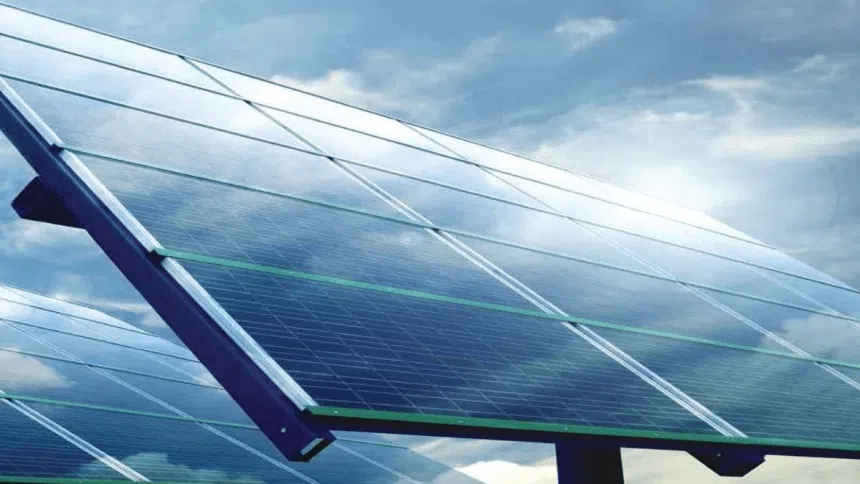
Solar power is highly attractive because Egypt has some of the world’s strongest solar resources. But solar production follows the sun. Generation rises during the day and falls rapidly toward evening, precisely when electricity demand can remain high. Batteries can help bridge that gap.
They can:
- store excess solar electricity;
- release electricity during periods of higher demand;
- reduce renewable curtailment;
- provide frequency and voltage support; and
- reduce the need for conventional generators to respond to short-term fluctuations.
This means Egypt’s renewable strategy is increasingly becoming a renewables-plus-storage strategy, rather than simply a solar-and-wind construction programme.
Read Also: How Renewable Electricity Is Being Turned Into Jet Fuel
Egypt is also looking beyond large utility-scale projects. The Electricity Ministry is developing initiatives to encourage industrial facilities to install their own solar systems. For large factories, on-site generation can reduce the amount of electricity they need to purchase from the grid. For the national system, distributed solar can also reduce pressure on transmission networks by generating electricity closer to where it is consumed. The approach effectively creates another layer of renewable generation alongside the country’s large solar and wind projects.
Egypt’s push toward renewables is closely connected to energy security. The country has historically depended heavily on natural gas for electricity generation. Every additional unit of electricity generated from solar or wind can reduce the amount of gas or other fuel required by conventional power plants. Government estimates suggest the accelerated renewable programme could eventually generate up to $7 billion a year in fuel-import savings. That makes renewable energy an economic and strategic issue, not simply an emissions-reduction programme. Egypt’s planned 27.7 GW of renewable capacity by 2028 sounds impressive. But the more important question is whether that capacity actually translates into 45% of electricity generation.