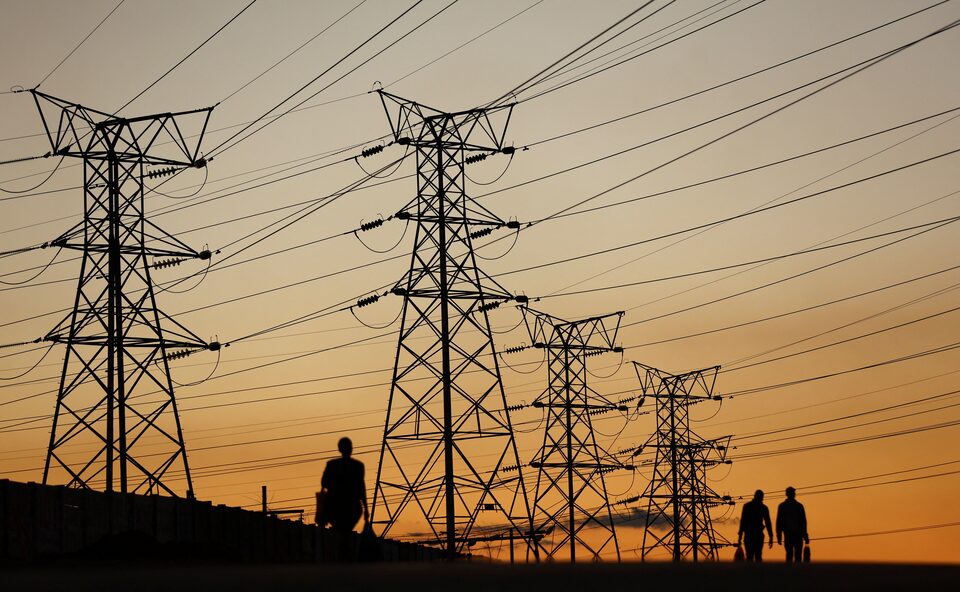



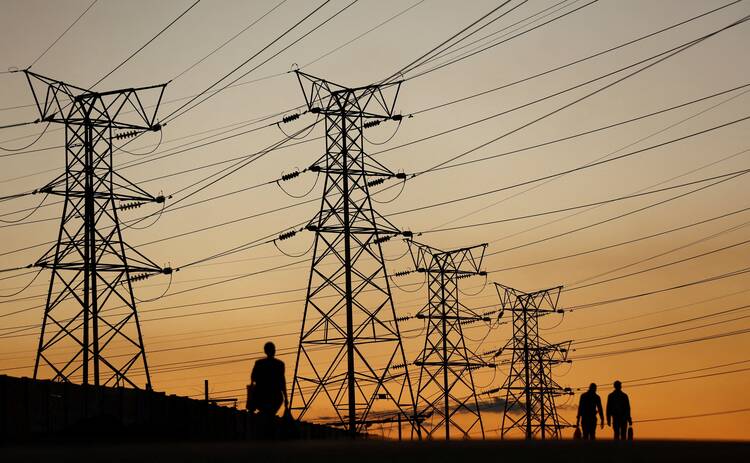
Southern Africa’s electricity market is facing a problem that has little to do with how much power the region can generate. In the 2025/26 period, about 45% of energy matched through the Southern African Power Pool’s competitive trading platforms was not physically delivered because transmission capacity was either unavailable or insufficient. The region may therefore have electricity available to trade, but increasingly lacks the grid capacity needed to move it to where it is needed.
Sipho Phiri, chair of Kwama Energy and co-developer of Zambia’s Ilute solar plant, argues that Southern Africa is already “inside a transmission constraint.” Renewable generation can increasingly be developed within two to four years once land, permits and grid access are secured, while major transmission lines and substations can take five to 10 years or more to plan, finance and construct. That creates a structural mismatch: solar and wind projects can reach completion long before the infrastructure required to evacuate and distribute their electricity is ready.
The constraint is already visible in some of the region’s most important power corridors. South Africa’s renewable-rich areas face connection delays and congestion, while transmission limitations around Zimbabwe and neighbouring countries restrict the movement of electricity across the Southern African Power Pool. The consequence is not simply delayed projects. It can mean renewable curtailment, underused generation assets and power trades that make economic sense on paper but cannot happen physically because the wires are not there.
This creates a different investment problem for Southern Africa’s energy transition. The region has spent years focusing on adding generation capacity, but the value of another solar or wind project increasingly depends on whether the wider electricity system can absorb its output. Transmission therefore has to move closer to the front of the investment queue, alongside substations, grid reinforcement, storage and stronger cross-border interconnections. The traditional model of waiting for state utilities to plan and build every major network asset may also need to be complemented by independent transmission projects and new financing structures.
Read Also: Uganda’s $50 Million Transmission Deal Is Now Drawing More Private Investors
The bigger opportunity is to make the transmission network develop at something closer to the speed of the generation pipeline. A stronger SAPP could allow countries with surplus electricity to sell to markets facing shortages, but that market only works when physical transfer capacity exists. For Phiri, the question facing Southern Africa is therefore changing from how quickly it can add megawatts to how quickly it can build the infrastructure that connects those megawatts to customers. Until that gap closes, the region can continue adding renewable capacity while leaving a growing share of its potential electricity economically stranded.