
Africa’s Oil and Gas Industry Faces Growth Sustainability and Innovation Challenges in 2024

oil and gas

The oil and gas industry in Africa is at an important turning point, facing challenges but also finding new opportunities. As global energy needs shift towards sustainability and cleaner alternatives, traditional energy sources are adjusting to stay relevant. Here’s a look at how the future of oil and gas is unfolding across the continent.

The Energy Shift

In 2024, Africa’s oil and gas sector is increasingly influenced by the global push for cleaner energy. Countries are realizing the need to reduce carbon emissions while still relying on fossil fuels for economic growth.

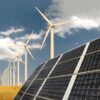
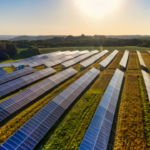
For example, Algeria plans to generate 22% of its electricity from renewable sources by 2025, showing a commitment to integrating renewable energy into its mix. This shift helps reduce carbon emissions and opens up new opportunities for investment and jobs in sectors like solar and wind power.

New Discoveries and Production Growth

Despite the challenges of declining reserves and political instability, there are promising signs for Africa’s oil and gas future. Recent discoveries of new oil and gas reserves, especially offshore, have been made in countries like Egypt, Libya, and Algeria.

These discoveries indicate there is still great potential for growth in the region. According to the Fitch Solutions Sub-Saharan Africa Oil & Gas Report, natural gas production in the region is expected to grow by 5.7% in the coming years, driven by ongoing exploration.

Digital Change

The oil and gas industry in Africa is being reshaped by digital technologies. Tools like big data, artificial intelligence (AI), and the Internet of Things (IoT) are improving how companies work.

For instance, predictive maintenance powered by AI can help avoid equipment failures, cutting downtime and costs. This digital transformation not only boosts productivity but also helps companies respond faster to market changes.

Sustainability Efforts

Sustainability is becoming a key focus for many African oil and gas companies as they strive to meet global environmental goals. The IEA forecasts that demand for natural gas will continue to grow, especially as it offers a cleaner option than coal for power generation.

Countries like Egypt are investing in both renewable energy projects and traditional oil and gas operations. This dual approach not only reduces reliance on fossil fuels but also strengthens energy independence.

Geopolitical Factors

Geopolitical issues play a big role in Africa’s oil and gas sector. Ongoing conflicts, especially in Libya, present challenges for production stability and infrastructure.

However, countries like Nigeria are seeing renewed investment as oil prices recover. The Nigerian National Petroleum Corporation (NNPC) recently secured a $5 billion financing agreement from the African Export-Import Bank for major upstream projects, showing that growth is still possible despite regional challenges.

Investment Trends

Investment in Africa’s oil and gas sector is expected to rise. Upstream investments are predicted to exceed $600 billion in 2024, marking a strong recovery after years of instability.

However, experts warn that large investments—estimated at $4.3 trillion between 2025 and 2030—will be needed to maintain production levels and support technology developments.

 A Bright Future Ahead

The future of oil and gas in Africa is one of change and resilience. While traditional energy sources face competition from renewable energy, they are also evolving through innovation and investment in cleaner technologies.

By embracing digital transformation, focusing on sustainability, and navigating geopolitical challenges, African countries can become leaders in the global energy market.

As we move into 2024, oil and gas companies’ ability to balance traditional methods with new technologies will be key to their success.

Africa’s rich natural resources, combined with a focus on sustainable growth, can ensure that oil and gas continue to play an important role in the continent’s economic development while also supporting global environmental goals.

Leave a Reply

Your email address will not be published. Required fields are marked *