



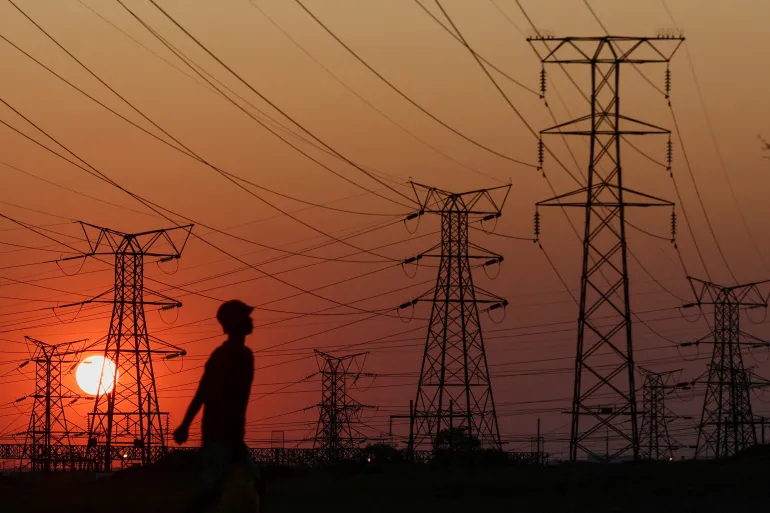
Botswana is linking its renewable energy expansion to a wider economic reform programme after the African Development Bank (AfDB) approved a $503.75 million loan that includes plans for a competitive solar and wind auction and universal household electricity access by 2030. The financing supports Botswana’s Economic Competitiveness and Transformation Support Programme, which aims to ease pressure from higher energy costs, increase private investment and support job creation. The OPEC Fund for International Development is contributing a further $170 million to the programme. (AfDB)
A central energy objective is to increase household electricity access from 79.5% in the 2025/26 financial year to universal coverage by 2030. To support that target, Botswana plans to hold at least one competitive renewable energy auction, inviting private developers to build new solar and wind generation capacity. The programme also includes an expansion of the Francistown fuel depot, which is expected to increase storage capacity from 38 million litres to 98 million litres. The two measures address different aspects of energy security: expanding domestic renewable electricity generation while strengthening the country’s ability to store and distribute liquid fuels.
Botswana Targets Universal Electricity Access by 2030
The proposed National Electrification Action Plan is intended to provide a costed roadmap for connecting households that remain without electricity. Increasing access from 79.5% to 100% by 2030 will require more than additional power generation. Botswana must also extend electricity networks, finance connections, address the cost of serving remote communities and ensure that the power system can accommodate additional demand.
The renewable energy auction is one part of this broader effort. Competitive procurement can allow private developers to propose projects and compete to supply electricity, potentially reducing the cost of new generation compared with less competitive purchasing arrangements. However, the impact will depend on the capacity procured, the terms offered to developers, access to grid connections and the speed at which projects reach financial close and commercial operation.
The announcement does not establish how much solar or wind capacity the planned auction will procure. That detail will be important in determining how much additional electricity the programme could deliver and how it will contribute to the 2030 access target.
Renewable Energy Auction Opens the Door to Private Investment
Botswana’s planned auction is intended to attract private developers to build new solar and wind projects. Under this model, developers typically compete to secure contracts to supply electricity, while the government or an appointed electricity buyer evaluates bids against technical, financial and pricing requirements. Competitive auctions can help governments discover the prices developers are willing to offer and establish a more transparent process for allocating projects. Their effectiveness, however, depends on clear procurement rules, bankable power purchase agreements, predictable timelines and credible arrangements for connecting projects to the grid.
Botswana has previously encountered challenges in renewable energy procurement. An industry review published by the African Solar Industry Association documented several earlier tender rounds, including projects that were delayed or did not proceed as initially intended. The 50 MW Selebi-Phikwe solar project, awarded to a consortium led by Scatec, advanced through power purchase agreement and financing milestones after earlier procurement difficulties. That experience makes implementation particularly important for the new auction. Developers need confidence that awarded projects can secure financing, obtain permits, connect to the grid and sell their output under enforceable agreements.
The new programme creates an opportunity to build a more consistent procurement pipeline, but the announcement of an auction should not be treated as evidence that new capacity has already been contracted or built.
Grid Infrastructure Will Determine How Much New Solar and Wind Botswana Can Use
Renewable energy procurement must be supported by infrastructure capable of delivering electricity to consumers. Botswana has substantial solar resources, and private power producers have been developing projects at different stages. But connecting variable renewable generation to the grid requires adequate transmission and distribution capacity, appropriate system planning and, where needed, storage or other flexibility measures.
In 2024, the World Bank approved financing for Botswana’s Renewable Energy Support and Access Accelerator project. The project included support for grid investment, rural electrification and a planned 50 MW utility-scale battery energy storage system to help integrate the first wave of renewable generation projects. The World Bank-backed project illustrates why generation procurement and network investment need to progress together. Solar and wind capacity can contribute to electricity supply only when the grid can accommodate and deliver the electricity produced.
For Botswana, the success of the new auction will therefore depend not only on the number of bids received or the tariffs offered, but also on whether projects can be connected and supply electricity reliably.
Francistown Fuel Depot Expansion Strengthens Supply Security
Alongside renewable energy reforms, the AfDB-supported programme includes expanding the Francistown fuel depot from 38 million litres to 98 million litres. The expansion is designed to strengthen fuel storage and supply security. It is a separate investment from the planned renewable energy auction and does not represent an increase in electricity generation capacity.
The inclusion of both measures reflects Botswana’s immediate need to manage energy costs and supply risks while pursuing longer-term changes to its electricity system. Higher energy costs linked to the conflict in the Middle East have added pressure to an economy already affected by a prolonged downturn in the diamond market. Diamonds account for approximately 30% of Botswana’s gross domestic product and nearly 80% of its exports, according to the AfDB.
The country’s economy contracted by 2.8% in 2024 and 0.7% in 2025, according to the bank. Diversifying investment and strengthening domestic economic activity are therefore important parts of the wider programme.
AfDB Programme Extends Beyond Energy Infrastructure
The $503.75 million loan is part of a broader package of fiscal and private-sector reforms rather than financing dedicated solely to renewable energy. The programme aims to raise non-mining tax revenue to 11.8% of GDP in the 2027/28 financial year and increase private investment to 30% by 2028. It also targets support for 3,292 active micro, small and medium-sized enterprises and 3,935 direct jobs by 2027/28.
The wider Botswana Economic Transformation Programme has a pipeline of 186 projects valued at 514 billion pula, with a long-term target of creating 512,000 jobs by 2036. These are programme targets, not jobs already created or investments already completed. For the energy sector, the connection between these reforms and electricity access is significant. More reliable power can support business operations, while new generation projects can create demand for construction, engineering, operations and maintenance services.
Read Also: South Africa’s Solar Boom Opens New Opportunities in Battery Storage and Local Manufacturing
The scale of those benefits will depend on implementation, the development of commercially viable projects and whether improved electricity access translates into productive economic activity.
What the Financing Means for Botswana’s Energy Transition
The AfDB loan gives Botswana a financial and policy framework for pursuing several energy and economic objectives at once. Its electrification plan sets a 2030 target, while the renewable energy auction is intended to bring private developers into the next phase of solar and wind investment.
But the decisive milestones will come after approval: publication of auction details, selection of developers, signed power purchase agreements, financial close, construction, grid connection and new household connections. The programme’s broader economic objectives will also need to be assessed against measurable outcomes, including private investment, business growth and employment.
Botswana’s target of universal electricity access by 2030 is therefore not simply a generation challenge. It will require coordinated investment in power plants, electricity networks, connections and the institutions needed to deliver projects on schedule.The loan provides support for that effort. Whether it produces the intended results will depend on how quickly the planned reforms become operational projects and measurable improvements in electricity access.