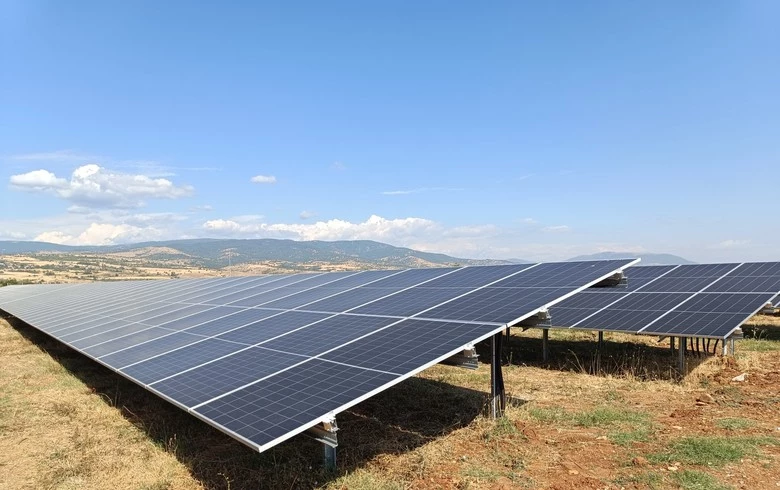






South Africa’s private electricity market has reached a new operational milestone, with locally developed software completing the first month-end settlement for a utility-scale solar plant supplying multiple business customers through the national grid. Open Access Energy’s Energypro platform allocated 7.57 gigawatt-hours (GWh) of electricity generated by SolarAfrica’s 114-megawatt (MW) SunCentral 1 solar plant among three commercial and industrial customers in September 2026. The project is described as Africa’s first utility-scale, multi-buyer wheeling arrangement settled using locally developed software designed specifically for the process.
The milestone addresses a challenge that becomes more complex when a generator sells electricity to several businesses rather than a single buyer. Each customer has its own power purchase agreement, consumption profile and contractual volume, requiring the electricity produced to be allocated accurately before customer bills can be finalised.
As South Africa expands private electricity procurement, software that reconciles generation, consumption and contractual obligations is becoming an important part of making multi-buyer power deals work commercially.
How Energypro Allocates Electricity to Multiple Buyers
Energypro processes data from SunCentral 1’s electricity generation, the consumption recorded at each customer’s delivery points and the terms of their respective power purchase agreements with SolarAfrica.
The platform then allocates the available electricity according to the contracts, starting with customers that have fixed-volume commitments. It also prepares the electricity nomination information SolarAfrica submits to Eskom and generates settlement data used to bill customers at the end of each month. This process matters because electricity generation and customer consumption do not necessarily match at every moment. Customers have different operating schedules and demand patterns, while their contracts may specify different volumes and allocation rules.
A settlement platform must reconcile these variables so that the generator and each buyer have a consistent record of what was supplied, how contractual terms apply and what each party owes. Errors or disagreements can delay billing, complicate payments and undermine confidence in the commercial arrangement. The settlement process is therefore part of the operating infrastructure behind the electricity sale, rather than simply an administrative task after power has been generated.
What Makes Multi-Buyer Electricity Wheeling Different?
Electricity wheeling allows power generated by one party to be delivered through an existing electricity network for consumption by a customer elsewhere. The generator and customer enter into a commercial agreement, while the relevant grid and metering arrangements account for the electricity delivered and consumed. In a conventional one-to-one arrangement, a generator supplies a single buyer. SunCentral 1 uses a multi-buyer model in which one solar plant serves several businesses, each with a separate contract and consumption profile.
The model allows businesses to procure renewable electricity without having to build their own power plants or locate their operations beside a generator. Electricity enters the national grid from the Northern Cape, while contracted customers elsewhere receive the commercial benefit through the wheeling and settlement arrangements. However, the arrangement requires more than a functioning solar farm and a grid connection. Generation data, customer metering, contract terms, nominations and billing must work together across the transaction.
Open Access Energy does not own, trade or sell the electricity. It provides the software and transaction-management services that connect the commercial arrangements between the generator, grid processes and customers.
SolarAfrica’s SunCentral Development Targets 1 GW
SunCentral 1 is the first of three 114 MW solar plants planned for the 342 MW first phase of SolarAfrica’s SunCentral development in South Africa’s Northern Cape. The wider project, located between Hanover and De Aar, is planned to reach up to 1 gigawatt (GW) of renewable generation capacity. SunCentral 2 is in the later stages of construction, while construction of SunCentral 3 is expected to begin shortly, according to the latest reporting.
The first plant reached commercial operation in September 2026. Its first completed month-end settlement now provides an operational example of how a large renewable generator can allocate electricity across several commercial and industrial buyers.
The wider development is designed to serve businesses across industries that include manufacturing, mining, retail and data centres. Multi-buyer wheeling can give these businesses another option for securing renewable electricity and managing their longer-term energy procurement. The planned 1 GW capacity remains a longer-term development target, however. The settlement milestone relates specifically to the 114 MW SunCentral 1 facility and should not be interpreted as evidence that the full development is already operating.
Why Electricity Settlement Matters to Project Economics
A solar plant’s ability to generate electricity is only one part of its commercial performance. The generator must also deliver power under agreed contractual terms, maintain accurate records and bill customers for the electricity supplied. For a project serving multiple buyers, each contract may have different volume commitments and consumption patterns. A reliable settlement process helps determine how generation is distributed among customers and supports the reconciliation of the amounts owed.
Read Also: Nigeria’s 14GW Power Capacity Milestone Masks a Much Smaller Supply
This is especially relevant as private electricity procurement expands. More generators selling to more customers can create a larger number of transactions, increasing the need for systems that manage contracts, metering, allocation and billing consistently. Open Access Energy chief executive Gerjo Hoffman said the platform was developed for South Africa’s electricity market and its operating rules. SolarAfrica chief operating officer Vincent Labuschagne also highlighted the importance of reliable software as the company expands its wheeling offering.
The first settlement demonstrates that the software has been used in an operating utility-scale, multi-buyer project. Its broader significance will depend on how effectively the system supports additional plants, customers and increasingly complex transactions.
Locally Developed Software Supports South Africa’s Changing Electricity Market
South Africa’s electricity market is creating opportunities not only for renewable power developers, but also for companies providing the systems needed to manage transactions between generators and consumers. Energypro is an example of this supporting infrastructure. It processes the data and contractual rules required to reconcile electricity sales, while the physical power continues to move through the relevant electricity network.
The distinction matters: software does not generate electricity or replace transmission infrastructure. It helps manage the commercial relationship that enables privately generated electricity to be sold to multiple buyers. As SolarAfrica brings additional SunCentral facilities online, the ability to allocate generation and settle customer accounts reliably will remain important to scaling the model.
The first month-end settlement at SunCentral 1 therefore marks more than a software launch. It demonstrates a working commercial process for a utility-scale solar plant selling electricity to multiple businesses—and highlights how digital transaction systems can support the expansion of private renewable energy procurement in South Africa.