




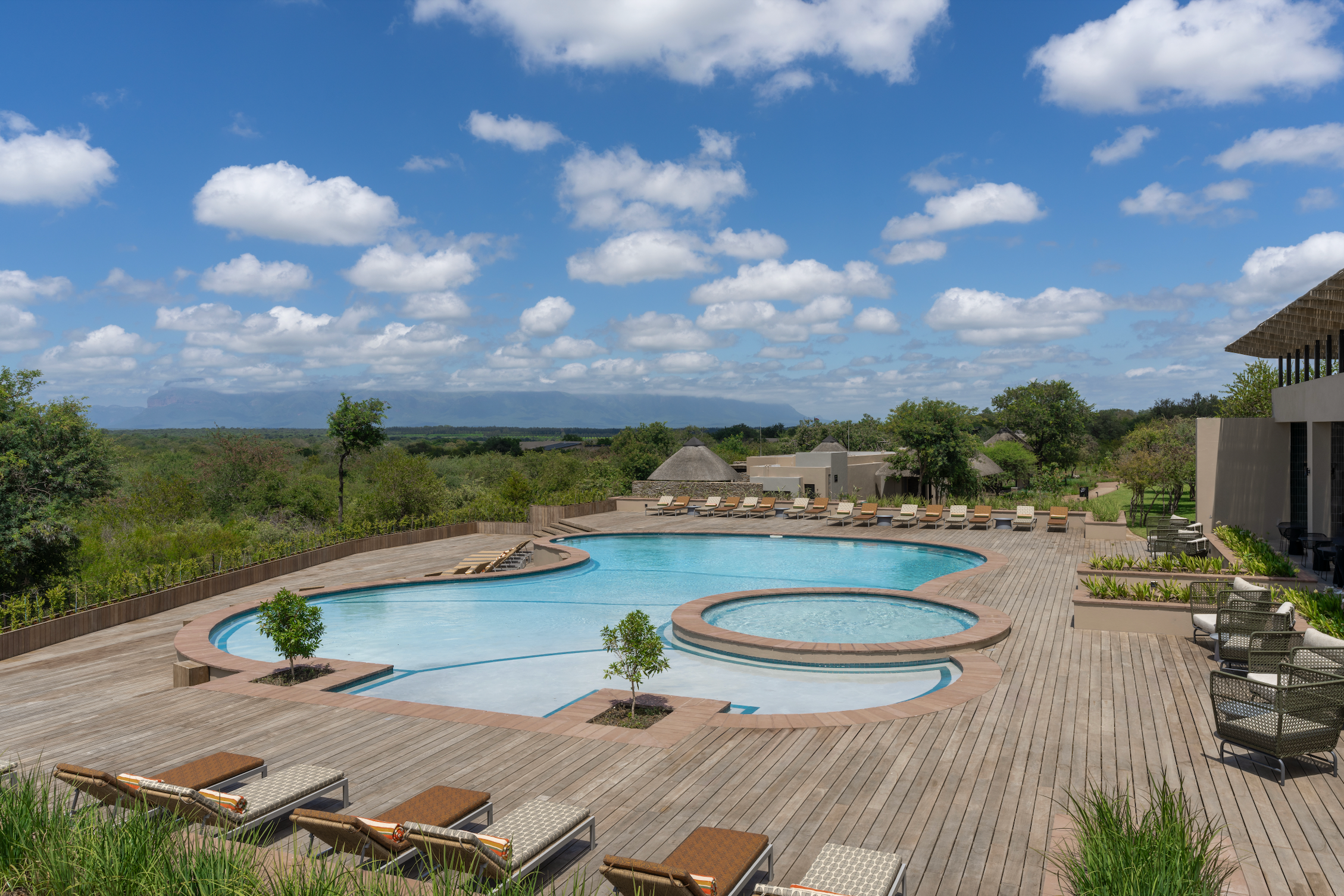
Radisson Hotel Group has introduced Africa’s first Verified Net Zero hotel in Hoedspruit, South Africa, bringing a new model of emissions management to a hospitality sector increasingly under pressure to reduce its environmental footprint.
The Radisson Safari Hotel Hoedspruit combines renewable energy, electrification, waste reduction and lower-carbon food services with a system for measuring and addressing emissions across its operations and supply chain. The property is part of Radisson’s Verified Net Zero Hotels programme, which applies a defined methodology to emissions reduction and carbon removal. The hotel has also received Green Key certification, which recognises environmental management and sustainability practices in tourism and hospitality.
Rather than relying solely on renewable electricity, the approach addresses several sources of hotel-related emissions, including energy use, food and beverage procurement, waste, laundry, employee commuting and business travel.
How Radisson’s Hoedspruit Hotel Achieves Verified Net-Zero Status
The hotel follows the Net Zero Methodology for Hotels, with its 2025 greenhouse gas emissions reported in accordance with the Greenhouse Gas Protocol. Under the methodology, the property addresses emissions across three categories: direct emissions from its operations, emissions associated with purchased energy, and other indirect emissions linked to its supply chain and activities.
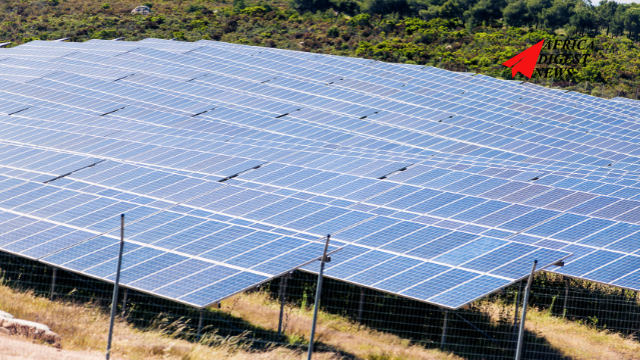
For direct emissions, the hotel has eliminated fossil-fuel use across its main on-site operations through electrification and other operational changes. Limited fireplace use remains, with the hotel reporting that it burns invasive wood species. For purchased energy, the property uses 100% renewable energy, supported by renewable energy sourcing arrangements and a focus on locally generated renewable electricity.
The hotel also implements measures to reduce indirect emissions, including waste sorting and recycling, reduced use of single-use plastics, more responsible purchasing and lower-carbon menus. Remaining emissions that cannot currently be eliminated are addressed through carbon-removal credits. Radisson identifies its support for the Grassland Restoration and Stewardship in South Africa (GRASS) project as part of this process.
The distinction is important: the hotel’s Verified Net Zero status is based on a defined methodology that combines emissions elimination, reductions and carbon removals. It does not mean every activity associated with a guest’s stay produces no emissions.
Renewable Energy and Electrification Reduce Hotel Emissions
Energy consumption is a major consideration for hotels, which require electricity for lighting, heating and cooling, kitchens, laundry, refrigeration and other guest services. Radisson’s Hoedspruit property uses renewable energy and electrification to address emissions associated with its direct operations and purchased energy. The approach reduces reliance on fossil fuels while allowing the hotel to continue providing accommodation, dining and meeting facilities.
The property also offers electric-vehicle charging facilities, providing an additional option for guests travelling by electric car. However, the environmental impact of a hotel extends beyond the electricity used in its buildings. Food procurement, outsourced laundry, waste management, employee travel and the movement of supplies can all contribute to its wider carbon footprint.
Addressing these sources requires operational changes and coordination with suppliers, service providers and other business partners.
Carbon Removal Supports the Hotel’s Net-Zero Approach
After eliminating and reducing emissions, Radisson’s methodology addresses the remaining footprint through carbon removals. At Hoedspruit, the hotel identifies the GRASS project as its nature-based carbon-removal initiative. The project supports the restoration of degraded grasslands and savannas through regenerative grazing and sustainable land management.
According to Radisson, these activities are intended to increase soil carbon sequestration while improving soil health, biodiversity and water retention, alongside supporting rural farming communities. Carbon removals serve a different purpose from direct emissions reductions. Renewable energy and electrification reduce emissions associated with hotel operations, while carbon-removal projects address residual emissions that remain after reduction measures.
The distinction matters when evaluating sustainability claims. A credible net-zero approach requires emissions to be measured, reduction opportunities to be prioritised and the treatment of remaining emissions to be transparently documented.
What Verified Net-Zero Status Means for Sustainable Tourism in Africa
The Hoedspruit property introduces Radisson’s Verified Net Zero Hotels programme to the African market as the group expands its approach beyond its initial European properties. The development also highlights a challenge for the tourism sector: reducing environmental impacts without compromising the services, comfort and facilities that travellers expect.
Read Also: Nigeria’s 14GW Power Capacity Milestone Masks a Much Smaller Supply
Hotels operate within extensive supply chains, from food and laundry services to construction materials, transport and waste management. Reducing their environmental footprint therefore requires more than installing renewable energy systems or encouraging guests to reuse towels. A structured methodology can help operators identify emissions sources, establish reduction priorities and report progress using a consistent framework. Independent verification can provide additional assurance that the claimed status follows the specified requirements.
For tourism businesses, these practices can also help make sustainability performance more transparent to corporate travel buyers, event organisers and guests who consider environmental standards when choosing accommodation. However, the designation alone does not establish how much the property has reduced emissions compared with its previous operating baseline, or whether guests will pay more to stay there. Those questions require additional performance and market data.
Radisson Plans to Expand Its Verified Net-Zero Hotel Programme
Radisson Hotel Group announced in March 2026 that it intended to expand its Verified Net Zero Hotels programme, with a target of 100 hotels by 2030. The rollout includes additional markets in Europe and Africa, building on the initial pilot properties in Manchester and Oslo. The programme is intended to demonstrate that existing hotel buildings can meet the methodology’s requirements without relying exclusively on new construction.
The Hoedspruit property represents an important step in that expansion, bringing the programme to a destination associated with wildlife tourism and access to nearby nature reserves. The hotel’s location also makes environmental management relevant to the wider visitor experience. The surrounding Lowveld landscape attracts travellers seeking access to natural areas, wildlife experiences and outdoor activities.
For Radisson, the longer-term test will be whether the approach can be replicated across a larger portfolio while maintaining consistent emissions measurement, reduction and verification standards. The introduction of Africa’s first Verified Net Zero hotel provides a concrete example of how sustainability programmes are being applied to hospitality operations. Its broader significance will depend on the transparency of its reported performance and the ability of other hotels to implement comparable measures at scale.