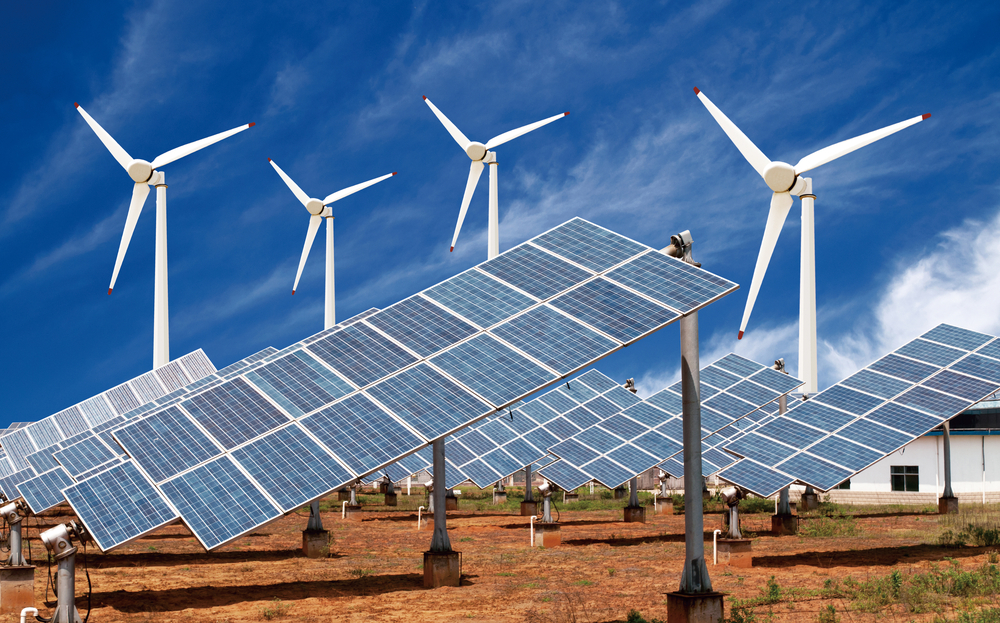





Hybrid renewable energy plants are becoming a bigger part of Africa’s power sector as developers combine solar or wind with battery energy storage to deliver more reliable electricity. The approach improves dispatchability and makes renewable energy more useful to the grid, but it also changes the financial risk profile of a project. The short answer is yes. Firming power with hybrid plants can increase capital risk because it requires more equipment, higher upfront investment, and greater technical complexity. At the same time, it can reduce long-term revenue risk by making electricity supply more predictable. The investment case therefore depends on whether the additional costs are outweighed by stronger and more stable cash flows.
A standalone solar or wind project is already exposed to several risks, including resource variability, grid curtailment, offtaker performance, and, in some markets, merchant electricity price risk. Adding battery storage introduces another layer of complexity. Developers must account for battery degradation, replacement cycles, energy management software, inverter controls, and system integration. These factors increase both capital expenditure and execution risk. Studies show that lenders increasingly evaluate storage performance, operational assumptions, and lifecycle costs when financing hybrid renewable projects. However, hybridisation can also improve a project’s financial profile. By storing excess electricity and delivering it when demand is highest, hybrid plants produce a more consistent output than standalone renewables. This improves revenue certainty, reduces exposure to price volatility, and allows projects to meet stricter power purchase agreement (PPA) requirements. For lenders, predictable cash flows often reduce financing risk even if the engineering becomes more complex.
Read Also: Is Behind-the-Meter Solar Already Cheaper Than Grid Power for South African Mines?
The trade-off is therefore straightforward. Hybrid plants increase construction and technology risk because they require additional hardware and sophisticated control systems. On the other hand, they reduce operational and commercial risk by delivering electricity when it is needed rather than only when the sun shines or the wind blows. Whether this improves the overall investment case depends on the balance between higher capital costs and stronger long-term revenues. For financiers, the central question is whether the additional investment generates sufficient value. If battery storage simply raises project costs without increasing revenues or improving contract terms, the project becomes more difficult to finance. But if hybridisation enables a premium PPA, reduces curtailment, or improves grid reliability, the additional capital investment can strengthen the economics of the project.
This is becoming increasingly relevant across Africa as utilities and large industrial consumers seek firm renewable power rather than intermittent generation. Projects are no longer judged solely by installed megawatts. Investors want to know how reliably those megawatts can be delivered and whether the revenue model justifies the additional capital required. The result is that hybrid renewable plants are changing the conversation. The question is no longer whether batteries increase project costs, they clearly do. The more important question is whether they create enough operational and financial value to compensate for that higher investment. In many cases, particularly where reliability commands a premium, the answer is increasingly yes.