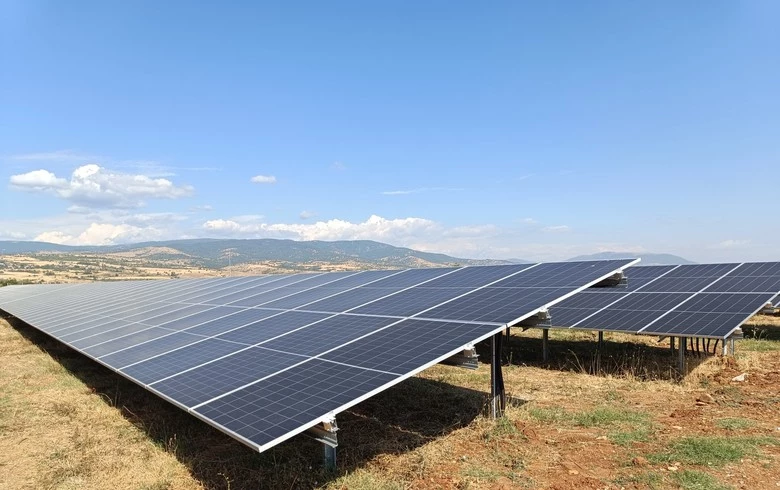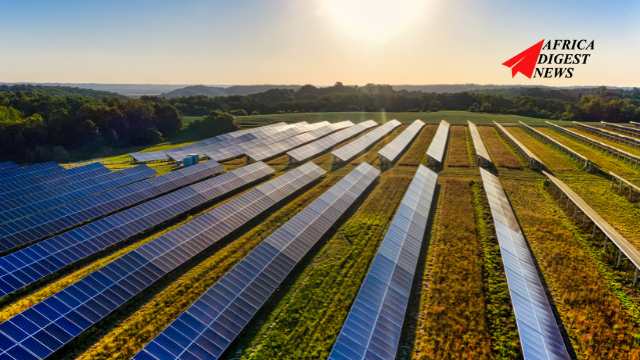




Kenya’s rapid expansion of wind and solar power is creating a new challenge for the country’s electricity system: the more variable renewable energy enters the grid, the more flexibility Kenya Power needs to keep supply and demand balanced. Kenya Power says wind and solar now account for more than 20% of grid capacity, while their share can rise to roughly 34–36% during the day. The utility argues that this level of intermittency is beginning to create operational and financial pressures on the grid. The problem is not that solar and wind are inherently expensive. It is that their output can change quickly. A sudden drop in solar generation because of cloud cover or sunset, or a fall in wind output, can leave the system needing replacement power almost immediately. Kenya Power must therefore keep flexible generation available and ramp it up when renewable output falls, while managing frequency and other grid-stability requirements.
The economics become more complicated under existing power purchase agreements. Kenya Power may be required to pay for contracted renewable electricity under take-or-pay arrangements, even when the system cannot fully absorb the generation. At the same time, it may need to bring additional generation online to maintain system stability. The result is a balancing problem in which the utility can face costs associated with both renewable contracts and the flexible generation needed to back them up.
Read Also: How Renewable Electricity Is Being Turned Into Jet Fuel
Kenya Power is therefore pushing for a more balanced and flexible generation mix, with greater reliance on geothermal, hydro and other firm sources alongside renewable generation. The utility is also tightening PPA terms as it seeks cheaper and more flexible contracts. At the same time, the growing penetration of variable renewables points to a greater need for battery storage, improved forecasting, spinning reserves and markets that properly value flexibility and ancillary grid services.
The bigger lesson is that Kenya’s renewable-energy challenge is moving from generation to integration. Adding solar and wind capacity can reduce dependence on fossil fuels and lower the cost of energy, but the grid must evolve at the same pace. Without sufficient storage, flexible generation and stronger grid infrastructure, the system costs of managing intermittency could increasingly offset some of the savings from cheap renewable electricity and ultimately put upward pressure on consumer tariffs.