

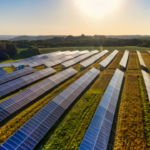


Kenya’s commercial and industrial solar market remains attractive, with rooftop and captive systems helping businesses cut electricity bills, reduce diesel dependence and gain greater control over energy costs. However, the economics are becoming more complex as solar penetration rises and the national grid faces greater balancing challenges. Kenya Power has warned that increasing variable renewable generation is raising the cost of maintaining grid stability, creating the possibility of new charges, tighter interconnection rules and other regulatory changes.
For C&I users, the immediate benefits remain significant. On-site solar can reduce energy costs while providing greater protection against future tariff increases and grid outages. Solar-plus-storage can further improve reliability by allowing businesses to shift consumption away from expensive grid periods and reduce dependence on diesel generators. PPAs and other financing models also allow companies to access these savings without carrying the full upfront capital burden. The emerging risk is that the economics of solar may increasingly depend on how the grid treats distributed generation. Higher fixed or demand charges, changes to net-metering arrangements, reduced compensation for exported power or stricter interconnection requirements could reduce projected savings. Businesses that oversize systems around export revenues may be particularly exposed if future regulations place greater emphasis on self-consumption and grid stability.
Read Also: How Renewable Electricity Is Being Turned Into Jet Fuel
There is also a growing cost and curtailment risk. Higher taxes or import costs can increase project capex, while local grid congestion and voltage constraints could eventually limit how much solar businesses can feed into the network. This makes system design increasingly important: projects need to be sized around the customer’s actual daytime load, with batteries, flexible loads and energy-management systems becoming more valuable as solar penetration increases.
The result is not that C&I solar is becoming unattractive, it is that the winning projects will be designed differently. Businesses should stress-test projects against higher grid charges, lower export revenues, changing tax treatment and possible curtailment rather than relying on today’s economics alone. In Kenya’s next phase of solar growth, the strongest returns are likely to come from systems that maximise on-site consumption, flexibility and energy independence, rather than simply maximising installed solar capacity.


