



Written By: Faith Jemosop
The Kenya Electricity Transmission Company (KETRACO) has commenced the transmission of hydroelectric power from Ethiopia to Tanzania through Kenya’s national grid. This development under the Eastern Africa Power Pool (EAPP) framework strengthens East Africa’s interconnected power system, with far-reaching implications for energy security, economic growth, and climate resilience across the region.
Power Now Flowing Across Borders
The new transmission route allows surplus electricity generated in Ethiopia, predominantly from renewable hydropower, to reach Tanzania, traversing Kenyan territory through KETRACO’s extensive infrastructure. With transmission lines and substations now energized and operational, electricity trade among the three countries has moved from concept to reality.
Ethiopian electricity is transmitted via the 500kV Ethiopia–Kenya HVDC interconnector, linked to Kenya’s grid, which then transmits the power southwards into Tanzania through the 400kV Kenya–Tanzania interconnector. These infrastructure investments, co-developed by the African Development Bank (AfDB), the World Bank, and respective national governments, are part of a broader strategy to reduce reliance on costly fossil fuels and unstable generation sources.
The significance of this development cannot be overstated:
- Tanzania gains access to cheaper, cleaner electricity, supplementing domestic generation and supporting efforts to expand access to rural areas and industries.
- Kenya benefits financially as a transit country and energy broker, positioning itself as a central hub for power trade within the EAPP.
- Ethiopia continues to monetize its excess hydropower, generated mainly by the Grand Ethiopian Renaissance Dam (GERD) and other plants, strengthening its energy export portfolio.
In the short term, this initiative helps stabilize regional grids by balancing supply and demand. In the long term, it lays the foundation for a competitive regional electricity market.
Regional Integration Through EAPP
This milestone fits into the larger ambitions of the Eastern Africa Power Pool (EAPP), a multi-country initiative launched in 2005 to promote coordinated energy trading, improve system reliability, and lower power costs across Eastern Africa. Member states include Ethiopia, Kenya, Tanzania, Uganda, Rwanda, Burundi, Sudan, South Sudan, and Egypt.
The ultimate goal of EAPP is to establish a fully integrated regional power market, where electricity is bought and sold across borders based on market demand and price signals, rather than isolated national strategies.
KETRACO, as Kenya’s state-owned transmission operator, plays a pivotal role in this transformation. By managing critical interconnectors with Ethiopia, Uganda, and Tanzania, the company is central to knitting together national grids into one continental fabric.
This development was made possible by massive infrastructure projects undertaken over the past decade, including:
- Ethiopia–Kenya Transmission Line (500kV HVDC) – A 1,045km line completed in 2021, capable of transmitting up to 2,000 MW of electricity. It was one of Africa’s first cross-border high-voltage direct current (HVDC) projects.
- Kenya–Tanzania Transmission Line (400kV) – Completed in phases between 2020 and 2023, the 507 km line stretches from Isinya (Kenya) to Arusha and Singida (Tanzania), enabling bilateral and multilateral power exchanges.
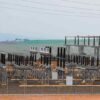
- Substations and Converter Stations – At key nodes such as Suswa (Kenya), Sodo (Ethiopia), and Singida (Tanzania), enabling voltage conversion and grid synchronization.
These installations required extensive financial support from international lenders, highlighting the importance of multilateral cooperation in Africa’s energy development.
The flow of Ethiopian electricity into Tanzania is not just a technical achievement, it carries real-world benefits:
- Reduced electricity costs: Imported hydropower is cheaper than diesel or coal-generated electricity, easing the burden on Tanzanian consumers and industries.
- Improved reliability: Tanzania’s national grid will experience fewer outages and better voltage stability due to access to Ethiopia’s stable generation.
- Increased electrification: Additional supply supports Tanzania’s drive to expand electricity access, which currently stands at around 40–45% nationwide.
- Green energy transition: This move reduces regional dependence on fossil fuels, aligning with global climate goals and Africa’s own green transition roadmap.
For Kenya, this development boosts its geostrategic importance in regional energy diplomacy. As the physical bridge between Ethiopia and Tanzania, Kenya benefits from:
- Transit revenue for wheeling power through its infrastructure.
- Political capital as a reliable energy partner within the East African Community (EAC).
- Market leverage as a power importer/exporter based on demand cycles and pricing.
Moreover, this enhances KETRACO’s portfolio as a transmission service provider and supports the wider mandate of the Ministry of Energy to make Kenya an energy trading hub.
Ethiopia’s Export Ambitions
Ethiopia has long harboured ambitions to become Africa’s largest power exporter, thanks to its massive renewable energy potential, particularly hydropower. The GERD alone is expected to generate over 6,000 MW at full capacity. With domestic demand currently below installed capacity, exporting surplus electricity offers both economic and diplomatic advantages.
The Ethiopia-Kenya-Tanzania route supplements existing and planned connections to Sudan, Djibouti, and potentially Egypt, further diversifying Ethiopia’s export base and reducing dependence on domestic revenue streams.
The successful activation of electricity trade from Ethiopia to Tanzania sets a strong precedent for similar initiatives. Upcoming or proposed projects that could build on this momentum include:
- Uganda–Kenya interconnection – To enable further southward and westward flow of power.
- South Sudan interconnection – Planned links to Ethiopia and Kenya.
- Southern Africa links – Eventually connecting East Africa with the Southern African Power Pool (SAPP).
Also read: Why Did the UK Reject the $33 Billion Morocco-UK Xlinks Power Cable Project?
In the coming years, regional power pools may merge into a continental grid system under the African Union’s “Single African Electricity Market”, enabling real-time trading, stability, and universal access.
Despite the celebration, there are hurdles to overcome:
- Tariff harmonization: Agreeing on fair and flexible pricing for cross-border electricity.
- Political alignment: Ensuring consistent commitment across changing administrations.
- Technical compatibility: Synchronizing different grid standards and managing transmission losses.
Nonetheless, the start of this electricity transmission is a major step in the right direction.


