

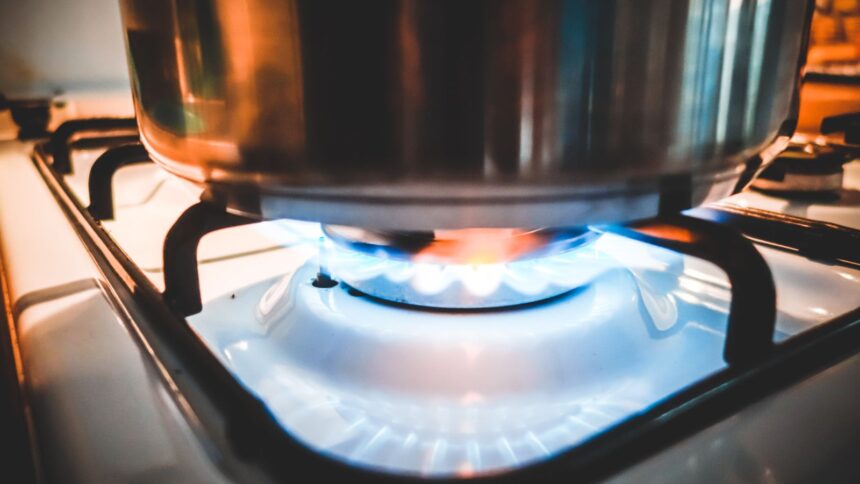
The African Development Bank is pushing to move clean cooking from the margins of Africa’s energy agenda into its centre, arguing that energy transition cannot be measured only by new power plants, transmission lines and electricity connections. At the first high-level Heads of State event on clean cooking held during the 81st UN General Assembly in New York on 23 September, the Bank called for clean cooking to be treated as a central pillar of Africa’s energy transition. It also reiterated its commitment to channel US$2 billion into clean cooking solutions over the next 10 years.
The financing commitment comes against a much larger investment requirement. The International Energy Agency estimates that Africa needs about US$4 billion a year to achieve universal access to clean cooking by 2030, meaning the AfDB’s pledge would cover only part of the annual requirement. The Bank is therefore positioning its capital as a way to help build investable markets rather than finance the entire transition itself. Through the planned Africa Clean Cooking Programme under the Sustainable Energy Fund for Africa, the AfDB intends to use blended finance to reduce investment risks and attract additional public and private capital.
One example is already emerging through the Rome Process/Mattei Plan Financing Facility, which announced a €25 million clean cooking programme at the AfDB’s 2026 Annual Meetings. The programme is expected to provide clean cooking access to about 1 million households and avoid roughly 5 million tonnes of CO₂ emissions. The economics of reaching those households, however, extend beyond the technology itself. Companies need distribution networks, affordable financing, reliable supply chains and business models that can reach consumers who may not be attractive to conventional commercial investment.
Read Also: Why Egypt Is Linking Its Wind Boom to a Turbine Manufacturing Industry
The Bank is also seeking to connect clean cooking directly to national energy planning through Mission 300. Clean cooking is being incorporated into national energy compacts, alongside electricity access and wider infrastructure priorities, with governments being encouraged to establish national targets and funded implementation programmes. The approach reflects the fact that cooking is itself a major form of energy consumption, while continued dependence on polluting fuels also creates consequences for household health, forests, productivity and gender equality.
The next challenge is turning the financing commitments into household-level adoption at scale. The AfDB’s US$2 billion can help create projects, reduce investment risk and develop markets, but governments and private-sector partners will determine whether those investments translate into technologies that households can afford, access and consistently use. For Africa’s energy transition, putting clean cooking at the centre therefore means expanding the definition of energy access—from whether a household has an electricity connection to whether it has access to cleaner, safer and more productive ways of using energy every day.