

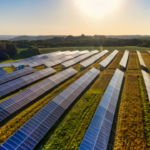


Uganda is steadily positioning itself as a leader in renewable energy innovation in East Africa. One of the most ambitious steps in this journey is the planned development of a 100 megawatt (MW) solar power plant paired with a 250 megawatt-hour (MWh) battery energy storage system (BESS) in Nakaseke District.
The project, led by EA Astrovolt, the East African arm of U.S.-based Energy America, is part of a wider national goal to integrate more than one gigawatt of solar-plus-storage capacity into Uganda’s electricity mix over the coming years.
Why This Matters for Uganda’s Energy Transition
Uganda’s electricity generation is currently dominated by hydropower, which provides most of the country’s supply. While hydro is clean and renewable, it comes with a vulnerability: seasonal water shortages and climate change-related droughts can disrupt generation.
Integrating large-scale solar power with battery storage helps address these risks. Solar farms generate power during the day, but with BESS, that energy can be stored and dispatched at night or during cloudy conditions. This makes renewable power available exactly when it’s needed, reducing the need for diesel generators and other fossil-fuel backup sources.
How Solar Plus Storage Works
- Solar Array: Converts sunlight into electricity during the day.
- Battery Energy Storage System: Stores excess energy that isn’t immediately used.
- Dispatchable Renewable Power: The stored energy can be released during peak demand periods, such as evening hours, or during grid instability events.
This combination transforms solar from a variable resource into a predictable, on-demand power source. It also supports grid stability by balancing supply and demand in real time.
Also read: Africa Tackles Energy Security and Embraces Sustainable Solutions in 2024
The 100MW solar + 250MWh BESS facility is just the first phase of Uganda’s broader ambition to deploy over 1 gigawatt of solar-plus-storage nationwide. This aligns with Uganda’s Vision 2040 and the National Energy Policy, which both emphasize reliable, sustainable, and affordable electricity for all.
Large-scale renewable projects like this not only improve energy security but also drive economic growth by powering industries, schools, health facilities, and rural communities.
Economic and Social Impact
The benefits extend far beyond clean electricity:
- Job Creation – Hundreds of jobs during construction and dozens in long-term operations.
- Skills Development – Training for technicians and engineers in solar technology, battery management, and power system operations.
- Local Economic Boost – New business opportunities for suppliers, contractors, and local communities.
- Improved Quality of Life – Reliable electricity supports healthcare delivery, education, and entrepreneurship.
Compared to fossil fuel-based generation, solar plus storage offers:
- Zero direct emissions during operation.
- Reduced air pollution in surrounding areas.
- Lower greenhouse gas footprint, supporting Uganda’s climate commitments.
It also complements hydropower by reducing strain during dry seasons, which helps preserve water resources for other uses.
While the technology promises significant benefits, there are important factors to address:
- Financing – Securing investment for large-scale renewable projects requires strong policy support and clear pricing structures for both solar and storage.
- Regulation – Battery projects need clear rules for safety, recycling, and end-of-life management.
- Grid Readiness – Uganda’s transmission and distribution systems may require upgrades to handle the increased capacity.
- Community Engagement – Land acquisition and local benefit-sharing need careful planning to ensure public support.
If these issues are managed effectively, Uganda could set a powerful precedent for other African nations.
A Model for the Region
Globally, combining solar with battery storage is becoming a mainstream strategy for countries aiming to build resilient and clean energy systems. In Africa, however, large-scale projects with significant storage capacity are still relatively rare.
By moving forward with this development, Uganda is sending a strong message: renewable energy can be both sustainable and reliable. This could attract more private and institutional investment to similar projects across East Africa.
The success of Uganda’s solar-plus-storage rollout will depend on:
- The speed of project development.
- The ability to attract long-term investment.
- The integration of local expertise and workforce participation.
- Strong environmental and social safeguards.
If executed well, these projects could reshape Uganda’s energy landscape, reducing reliance on hydropower alone, lowering carbon emissions, and making electricity more accessible and reliable for millions of people.


