



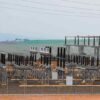
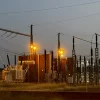


Kenya is preparing to launch a landmark energy project with the construction of its first nuclear power plant by 2034, a development that has generated both enthusiasm and apprehension among stakeholders.
The government has disclosed that the 1,000-megawatt facility will be situated along the Indian Ocean coast in Kilifi County, with construction scheduled to commence in 2027 and a research reactor expected to be operational by the early 2030s.
The project’s estimated cost is approximately 500 billion Kenyan shillings (around $3.9 billion). The initiative is part of Kenya’s strategy to increase its energy capacity, reduce carbon emissions, and create new job opportunities.
Currently, about 90% of Kenya’s energy comes from renewable sources such as geothermal, wind, and solar power.
Prime Cabinet Secretary Musalia Mudavadi emphasized that nuclear technology is a crucial component of Kenya’s sustainable energy strategy, which aims to enhance the country’s energy security and industrialization efforts.
Despite the potential benefits, the proposed location of the nuclear plant has raised significant concerns among local residents and environmental activists.
Kilifi County is known for its beautiful beaches and rich marine biodiversity, leading to fears that the construction of a nuclear facility could harm the environment and tourism industry.
Activists from the Kenya Anti-Nuclear Alliance have voiced their opposition, urging the government to focus on renewable energy sources instead, which they argue are safer and more sustainable.
HAVE YOU READ?

