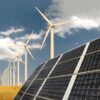


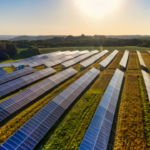


South Africa’s renewable energy transition is often measured by the number of solar panels installed or wind farms connected to the grid. But as more renewable electricity comes online, another technology is becoming just as important: battery energy storage. Unlike coal or gas plants, solar and wind do not generate electricity on demand. Solar production falls after sunset, while wind output fluctuates with weather conditions. Batteries bridge that gap by storing excess electricity when renewable generation is high and releasing it when demand increases or renewable output declines.
Recognising this, Eskom launched one of Africa’s largest battery storage programmes, designed to strengthen grid stability while supporting the country’s growing renewable energy fleet. The programme was originally designed to deliver 343 MW of battery capacity and 1,440 MWh of energy storage across multiple sites in two phases. Early plans envisioned most of the system being operational between 2023 and 2024. Progress, however, has been slower than expected. Several battery sites have already entered operation, but procurement challenges, financing hurdles and implementation delays have repeatedly pushed back completion dates. While the remaining Phase 1 projects are now targeted for completion later than originally planned, the second phase has yet to receive a confirmed delivery schedule.
Read Also: South Africa’s Rooftop Solar Boom Creates the Equivalent of a New Power Station
Despite these setbacks, the strategic importance of battery storage has only grown. South Africa is rapidly expanding utility-scale solar, wind generation and distributed rooftop installations. During sunny afternoons, renewable generation can exceed immediate demand in some areas, while evening peaks still require additional electricity. Without storage, much of that renewable potential cannot be fully utilised. Battery systems help solve that problem by shifting electricity from periods of surplus generation to periods of high demand. They also improve grid reliability by providing frequency regulation, voltage support and fast-response backup services that conventional power plants cannot always deliver.
The need for storage is also reflected in the country’s long-term planning. Under the Integrated Resource Plan (IRP) 2025, South Africa intends to add 8.5 GW of battery storage alongside major investments in wind, solar and transmission infrastructure, signalling that storage is now viewed as a core component of the future electricity system rather than a supporting technology. For South Africa, the transition is no longer simply about generating more renewable electricity. It is increasingly about ensuring that clean energy is available whenever homes, businesses and industries need it.As renewable capacity continues to grow, batteries are becoming one of the critical technologies that will determine whether that clean electricity can be delivered reliably across the national grid.


