


Uganda is on a journey to become a major player in Africa’s renewable energy scene. With rich natural resources, the country is looking to meet its energy needs and contribute to Africa’s overall energy supply.
Uganda has a variety of renewable energy sources like hydropower, solar, wind, biomass, and geothermal energy.
Right now, hydropower leads the way, generating about 84% of Uganda’s electricity, with the potential to produce over 4,100 megawatts.
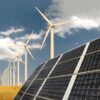
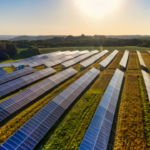
Solar energy is promising too, given Uganda’s strong sunlight, averaging 5.1 kWh/m², but it’s still underutilized.
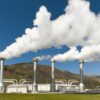
Wind energy, mainly in northeastern Uganda, has an untapped potential of around 450 megawatts. Biomass is widely used, making up 90% of the country’s primary energy consumption, mostly through firewood and charcoal. Geothermal energy is another key resource, with the potential to generate about 1,500 megawatts.
Despite its current use of renewable resources, Uganda has plenty more to tap into, especially in the solar and wind sectors.
The government is planning to invest heavily in these areas to meet rising energy demands and improve access to electricity for its people.
To push this forward, Uganda has created the Energy Transition Plan (ETP), aiming for universal energy access by 2030 and zero carbon emissions by 2065.
This plan is critical for Uganda’s sustainable energy growth and in addressing climate change.
The government has also set up policies like feed-in tariffs, which ensure fair prices for electricity generated from renewable sources.
HAVE YOU READ?


