




The next big wave of data-centre construction may not happen in the world’s traditional technology hubs. According to an S&P Global Ratings report cited by CNBC Africa, emerging markets now have a development pipeline almost twice the size of the world’s existing operating data-centre capacity. The shift is being driven partly by growing resistance to data centres in developed markets, where enormous demands for electricity, water and land are becoming harder for communities and grids to absorb.
For Africa, that creates a major opportunity. Countries such as South Africa, Kenya, Nigeria and Ghana are emerging as potential data-centre markets, while Kenya has an additional advantage: a power system dominated by renewable generation. The continent also has growing demand for cloud computing, AI and digital services. But having available land and growing digital demand does not automatically make a country a data-centre destination. The infrastructure underneath the servers matters more.
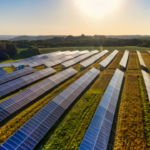
Power and water could become the biggest filters. Data centres consume electricity continuously and require substantial cooling, while some emerging markets already face unreliable grids or water stress. India’s rapid expansion is putting pressure on power infrastructure, while Middle Eastern markets are confronting severe water scarcity. Developers are therefore increasingly looking at renewable power, more efficient cooling and technologies such as closed-loop systems and desalination to make projects viable.
Read Also: Tanzania Overtakes Kenya as East Africa’s Installed Power Capacity Leader
Then comes the less glamorous problem: getting projects approved and connected. S&P expects the conversion of planned projects into operating facilities to vary significantly between countries. Reliable electricity, transparent permitting, access to renewable energy and sufficient capital will separate serious data-centre markets from speculative pipelines. There is also a political risk. If communities believe data centres are consuming scarce electricity, water or land while providing few local benefits, opposition could grow quickly.