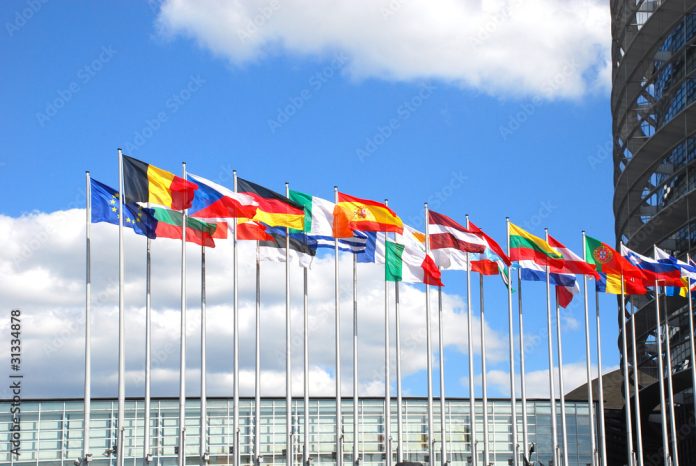



Egypt and the United Kingdom are strengthening their partnership on renewable energy as both countries look to accelerate investment in clean power, modernize electricity networks, and expand battery energy storage. The discussions signal that Egypt’s energy transition is increasingly focused on building the infrastructure needed to support large-scale renewable deployment rather than simply adding new generation capacity. The talks covered cooperation in renewable energy development, electricity grid modernization, battery storage, and attracting greater British investment into Egypt’s clean-energy sector. Egyptian officials also outlined plans to localize the manufacturing of solar panels, wind energy components, and related equipment, while continuing to reinforce the national transmission network and develop utility-scale energy storage projects.
The timing is significant. Egypt has set ambitious renewable energy targets, aiming for renewables to contribute 42% of electricity generation by 2030 and more than 60% by 2040. Achieving those goals will require far more than additional solar and wind farms. It will also depend on expanding transmission infrastructure, improving grid flexibility, and deploying storage systems capable of balancing increasingly variable renewable generation. That is why the discussions with the UK extend beyond project financing. As renewable penetration increases, power systems become more dependent on modern grid management technologies, digital infrastructure, and energy storage to maintain reliability. Grid investment is becoming just as important as generation investment.
The partnership also has a strong commercial dimension. British companies have already participated in several energy projects across Egypt, and the government is seeking to attract additional international developers, technology providers, and institutional investors. Expanding foreign participation could help accelerate project delivery while bringing technical expertise into one of Africa’s fastest-growing renewable energy markets. Another important element is Egypt’s push to develop local manufacturing capacity. Producing solar and wind equipment domestically would reduce dependence on imports, strengthen industrial supply chains, and create opportunities for export into regional markets. Many countries pursuing large-scale renewable deployment are increasingly pairing energy policy with industrial development, and Egypt appears to be following the same strategy.
Read Also: South Africa’s Renewable Energy Market Gets a New Insurance Facility
The discussions also reinforce Egypt’s ambition to position itself as a regional clean-energy hub. With substantial investments planned across solar, wind, transmission infrastructure, battery storage, and green hydrogen, the country is building an energy ecosystem designed to attract long-term private capital rather than isolated project financing. For investors, this broader approach reduces uncertainty. Renewable energy projects are generally more attractive when they are supported by strong transmission networks, clear policy frameworks, and government commitments to grid modernization. Infrastructure investment helps lower integration risks and improves the long-term value of renewable assets.
The meeting therefore represents more than a diplomatic engagement. It reflects a broader shift in Egypt’s energy strategy toward building the institutional, financial, and physical infrastructure required to support a high-renewable electricity system. As more countries pursue ambitious clean-energy targets, partnerships that combine investment, technology transfer, grid modernization, and industrial development are likely to become increasingly important. The headline may be about international cooperation, but the underlying story is about creating the conditions for renewable energy to scale. Egypt is not simply seeking more renewable projects—it is building the systems that allow those projects to deliver reliable electricity and attract long-term investment.