



Written By: Faith Jemosop
South Africa has achieved a major energy milestone with the successful and early return to service of Unit 4 at the Medupi Power Station. This move injects an additional 800 megawatts (MW) into the national grid and marks a significant step forward in Eskom’s efforts to stabilise electricity supply and reduce load shedding across the country.
Eskom, South Africa’s national power utility, announced on 6 July 2025 that Unit 4 at Medupi had been returned to commercial operation eight months earlier than initially scheduled. This achievement is part of Eskom’s broader Generation Operational Recovery Plan, a strategic initiative to restore 2,500 MW of generating capacity to the grid. With all six units at Medupi now fully operational, the station is running at its full design output of nearly 4,800 MW, making it one of the largest coal-fired power stations on the continent.
This 800 MW return is not merely symbolic. It equates to powering approximately 800,000 South African homes, significantly easing pressure on the grid during peak usage periods. For citizens and industries long affected by rolling blackouts, this is a strong indication that the tide may finally be turning in the country’s energy crisis.
The Long Road Since the Explosion
The return of Unit 4 is even more notable considering the devastating incident that caused its shutdown. On 8 August 2021, a hydrogen explosion occurred during maintenance operations, causing extensive damage to the generator and auxiliary systems. The incident not only disabled the unit but also raised concerns about safety protocols and technical oversight at Eskom’s coal plants.
Originally, the unit was scheduled to return to service by March 2026, due to the time needed to manufacture a brand-new generator stator, a critical component of the unit. However, Eskom engineers opted for an innovative workaround: sourcing a refurbished stator from the Netherlands. This solution, though temporary, proved to be a game-changer, shaving months off the project timeline.
Engineering Ingenuity and Logistical Mastery
Transporting and installing the refurbished stator was no small feat. The massive 400-tonne component had to be transported over 1,000 kilometres by road from Richards Bay to the Medupi site in Lephalale, Limpopo. Eskom Rotek Industries oversaw the complex logistics, which required specialised equipment, precision timing, and careful coordination with local authorities to ensure road safety and structural integrity during the move.
Once on site, engineers worked around the clock to install the stator, restore damaged systems, and bring the unit back to synchronisation with the national grid. The successful return of Unit 4 is a testament to Eskom’s technical capability and renewed commitment to delivering on its energy recovery promises.
Medupi’s Strategic Role in South Africa’s Energy Mix
Medupi Power Station is one of Eskom’s flagship projects. As a dry-cooled, supercritical coal-fired plant, it uses less water than traditional stations, which is critical in the water-scarce Limpopo region. Each of its six units contributes around 800 MW, placing the station’s total generation capacity at approximately 4,800 MW, about 10% of South Africa’s total electricity needs.
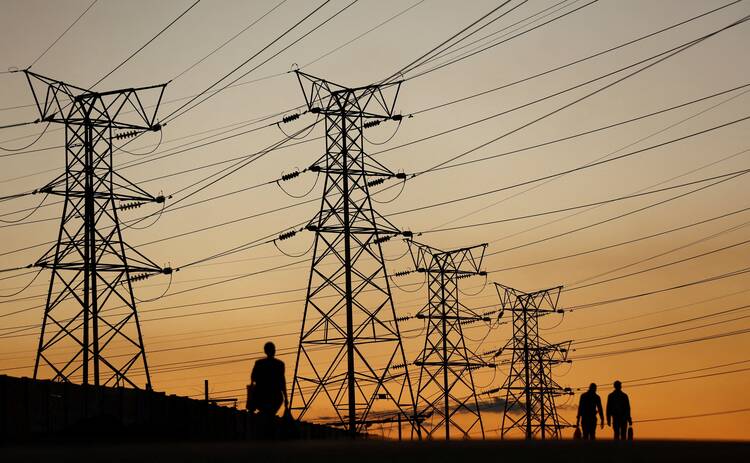
The full restoration of Medupi comes at a time when the national grid is under immense pressure. Load shedding has plagued South Africa for years due to aging infrastructure, lack of maintenance, and corruption-related procurement delays. Having a fully operational Medupi station gives Eskom a more stable and predictable source of baseload power, improving grid reliability.
A Broader Strategy to End Load Shedding
The return of Medupi Unit 4 is one of several critical interventions under Eskom’s Generation Operational Recovery Plan. According to Eskom CEO Dan Marokane, the goal is to restore at least 2,500 MW of capacity through repairs, maintenance, and system upgrades. The plan includes improving the Energy Availability Factor (EAF), a key metric that measures how much of the generation fleet is online at any given time. In early 2025, the EAF had fallen below 55%, well short of the 70% target needed to stabilise power supply.
With Unit 4 back online and additional capacity from the Kusile Power Station’s sixth unit (another 800 MW) already connected earlier this year, Eskom is making visible progress. Group Executive for Generation Bheki Nxumalo has described these developments as “evidence that Eskom is regaining operational control,” and regaining the confidence of the public.
Technical and Environmental Considerations
Although the restored Unit 4 currently runs on a refurbished stator, Eskom plans to replace it with a brand-new unit in 2026 for long-term reliability. Moreover, the utility is preparing for environmental upgrades to bring Medupi in line with stricter emission regulations. These upgrades include installing flue-gas desulphurisation (FGD) systems that will reduce sulphur dioxide emissions by more than 90%.
The station already features low-NOx burners and supercritical boilers, which operate at higher temperatures and pressures, improving fuel efficiency and reducing emissions compared to older coal plants. This reflects Eskom’s intent to maintain coal-fired generation while improving its environmental footprint.
Impact on Economy and Society
Electricity reliability is a cornerstone of economic development. The return of Medupi Unit 4 not only helps stabilize supply but also supports key industries such as mining, manufacturing, and agriculture, which depend on consistent power to operate efficiently. Reduced load shedding translates into fewer production delays, lower operating costs, and improved investor confidence.
On a community level, Medupi has already contributed to local economic upliftment. During construction, the project created thousands of jobs and generated over R2.9 billion in local economic benefits. Eskom continues to invest in corporate social responsibility initiatives, including rural electrification, education support, and small business development around Lephalale.
Also read: Anzana Electric Group Secures Stake in $760M Ruzizi III Hydropower Project to Boost Energy Access in Africa
While the successful return of Unit 4 is cause for celebration, challenges remain. Eskom must continue to improve plant reliability, secure funding for ongoing maintenance, and prepare for an eventual transition to a more sustainable energy mix. Coal will remain a key part of South Africa’s energy portfolio in the short to medium term, but renewables, battery storage, and grid upgrades are essential for long-term energy security.
Eskom’s leadership has stressed the need for policy support, transparent governance, and financial restructuring to ensure its survival. Load shedding may be easing for now, but the journey to permanent energy stability will require continued collaboration between Eskom, the government, private sector, and communities.