





Central African countries can draw lessons from Europe’s energy transition in regional electricity planning, grid development and renewable energy integration, but copying the European Union’s approach would overlook the region’s different development priorities. That was the central message of a conference held in Paris on 1 October 2026, where energy specialists and policymakers discussed how Central Africa can expand electricity access while protecting the Congo Basin and supporting economic development.
In an analysis published on 19 October by Sciences Po’s European Chair for Sustainable Development and Climate Transition, Professor Marc Ringel argued that Europe’s experience offers a useful case study rather than a ready-made model. The European Union coordinates aspects of energy policy across 27 member states, including electricity and gas markets, renewable energy and energy efficiency, while individual countries retain control over their energy mixes. This arrangement allows countries to coordinate infrastructure and support one another when electricity supply is disrupted.
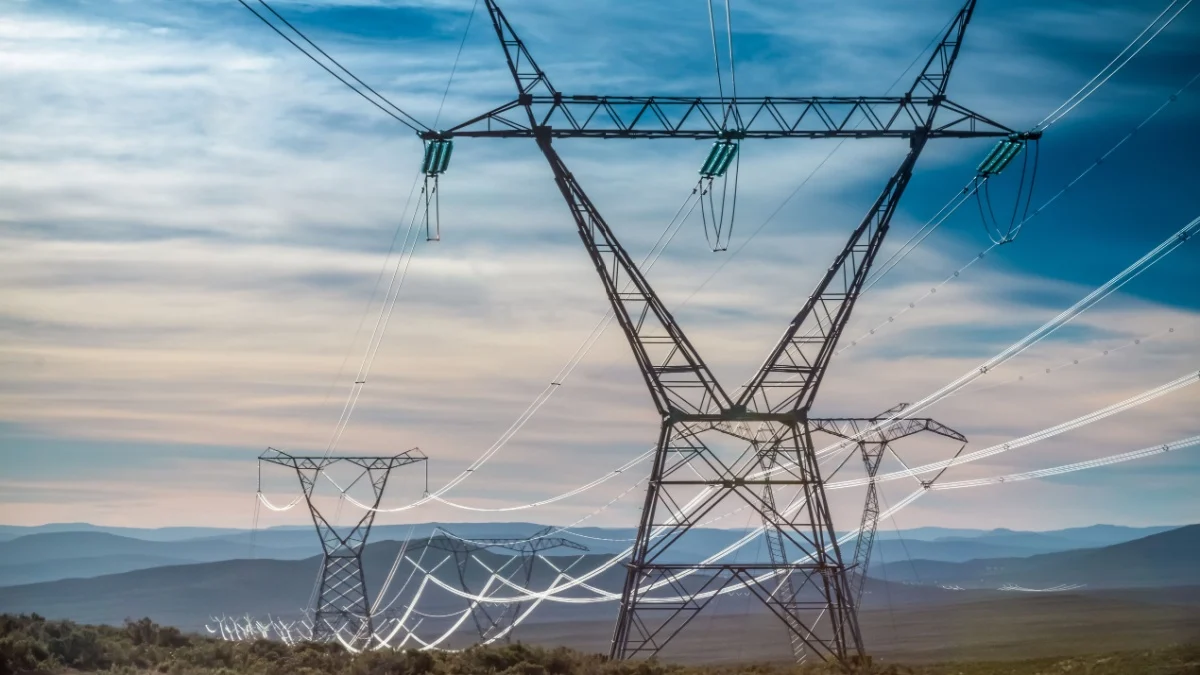
One lesson for Central Africa is the value of coordinating national energy plans rather than treating each country’s electricity system as an isolated project. The Central African Power Pool (PEAC) provides a framework for regional cooperation, but translating that framework into effective electricity trade requires cross-border transmission infrastructure, compatible technical rules and agreements on how power is exchanged. Greater interconnection could allow countries to share available generation capacity and access resources beyond their borders, although the benefits depend on building the infrastructure and institutions needed to make those exchanges work.
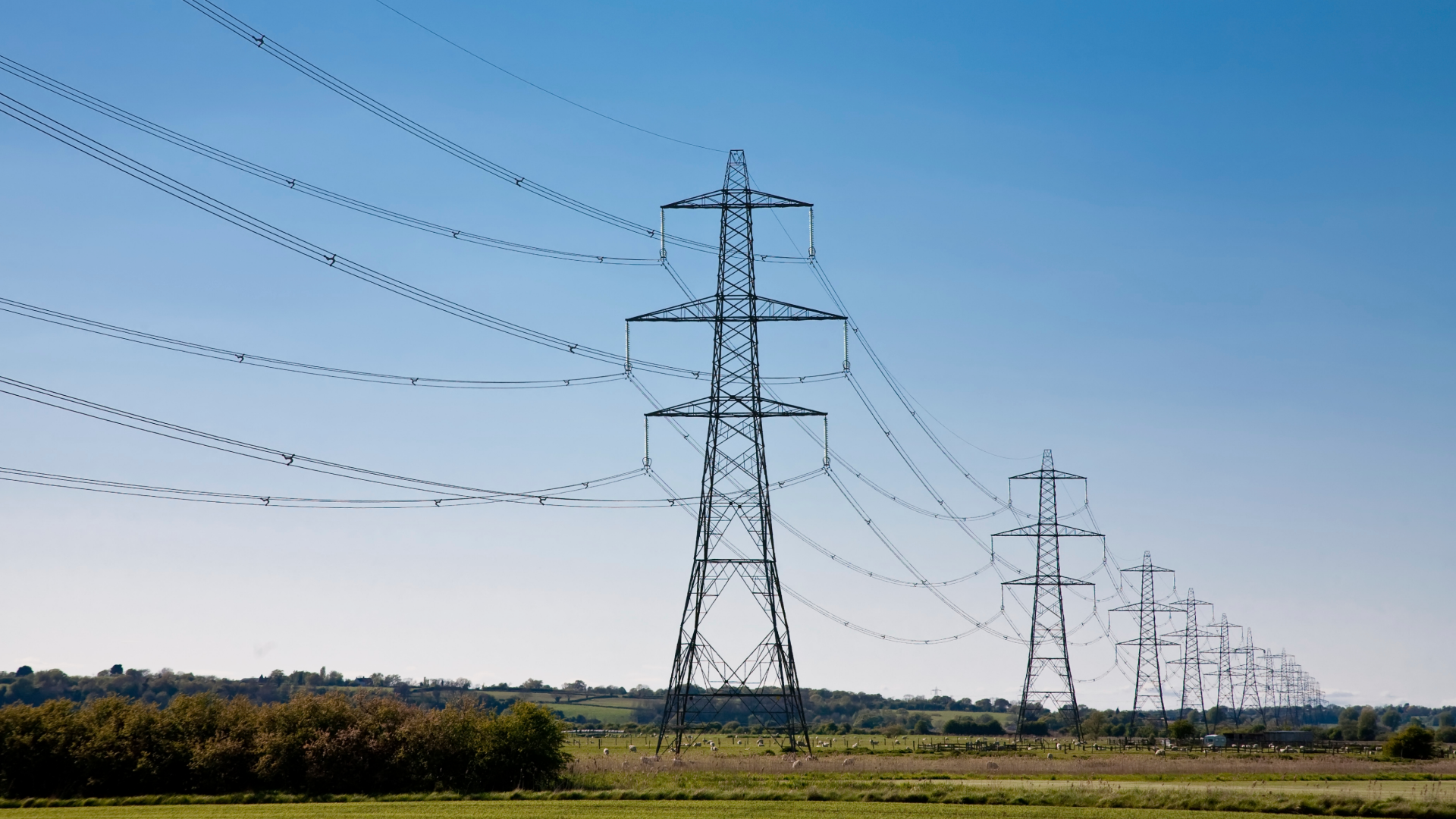
Europe’s experience also highlights the risks of expanding renewable generation without developing transmission networks at the same pace. Ringel pointed to grid bottlenecks in Europe as a consequence of renewable capacity growth outstripping network expansion in some areas. For Central Africa, where electricity infrastructure remains uneven, planning generation and transmission together could help prevent new projects from being constrained by inadequate grid capacity. The region’s substantial hydropower resources, alongside opportunities for solar and other renewable technologies, make coordination between generation projects and regional networks particularly important.
The starting point for Central Africa, however, differs significantly from Europe’s. The region must expand electricity access, improve reliability and develop infrastructure while creating jobs and keeping energy affordable. The International Energy Agency estimated that around 600 million people across sub-Saharan Africa lacked access to electricity in 2024, illustrating the wider continental scale of the challenge. In Central Africa, the policy question is therefore not only how to reduce emissions, but how to build energy systems that can serve households, businesses and industry without placing electricity beyond consumers’ reach.
Read Also: Why Kariba Dam Can Be Fully Rehabilitated and Still Struggle to Generate Electricity
Ringel’s recommendations also place economic value at the centre of the transition. Renewable energy investments need to support productive activity and local development, rather than being assessed only through installed capacity or emissions reductions. That requires countries to consider how electricity projects connect to industrial demand, employment and affordable supply, while recognising the environmental importance of the Congo Basin. Decisions about land use, water resources, infrastructure and energy investment must reflect local conditions rather than assume that policies developed for European economies will produce the same outcomes elsewhere.
The broader lesson is that Central Africa’s energy transition will depend on institutional coordination and infrastructure delivery as much as on the technologies deployed. Europe demonstrates both the benefits of interconnected electricity systems and the costs of allowing grid development to lag behind renewable generation. For Central African governments, the priority is to adapt those lessons to national circumstances, strengthen regional cooperation through PEAC and ensure that new energy investments expand reliable access while supporting economic development and environmental protection.