


Uganda’s $50 million Amari Power Transmission project is beginning to demonstrate what opening the country’s transmission sector to private capital could look like in practice. After becoming the first privately led transmission project in sub-Saharan Africa to reach construction, Amari is now being followed by other investors exploring the development of new substations under Uganda’s independent power transmission framework.
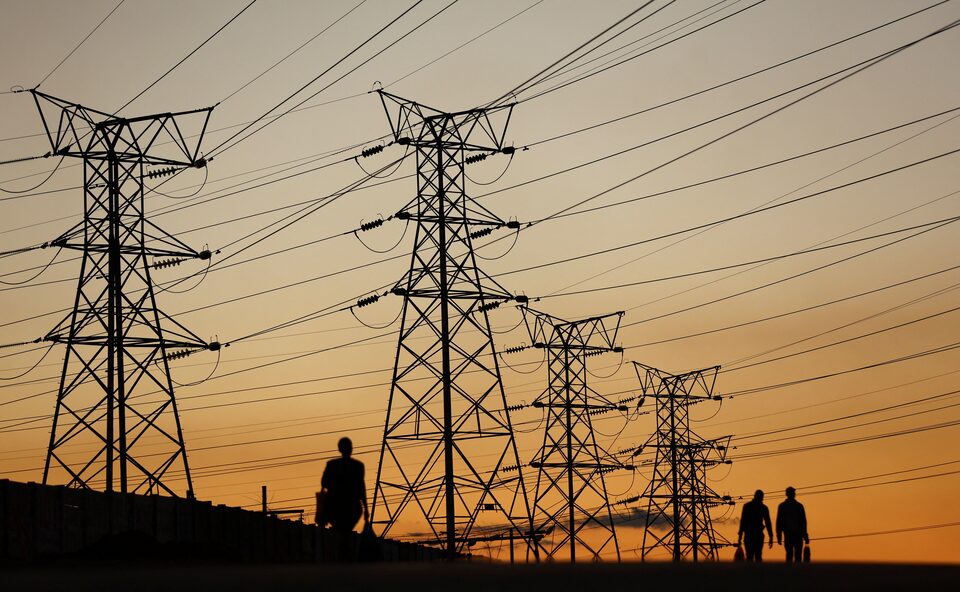
The shift matters because Uganda’s electricity challenge is no longer only about adding generation. The country plans to expand its transmission network to about 13,000 kilometres and add 55 substations by 2040, creating a large infrastructure requirement that public finances alone may struggle to meet. The 2023 Energy Policy and Electricity (Independent Power Transmission) Regulations created a route for private developers to finance, build and operate transmission infrastructure, subject to inclusion in the Grid Development Plan and approval from the Uganda Electricity Transmission Company.
Amari provides the first major test of whether that framework can translate into investable projects. Developed by Gridworks with the Ugandan government, the $50 million project involves upgrading four high-voltage substations: Tororo, Nkenda, Mbarara North and Mbarara South. The infrastructure is strategically important beyond Uganda itself, including strengthening the grid around the Kenya connection and supporting future electricity flows toward markets such as the Democratic Republic of Congo.
Read Also: Why KawiSafi Is Putting $2 Million Behind East Africa’s C&I Solar Market
The significance of another private substation proposal is therefore less about one additional piece of grid infrastructure and more about whether Uganda can create a repeatable model for financing transmission. Investors need clarity on licensing, revenue recovery, tariffs, system-operator obligations and long-term payment structures before putting capital into assets whose returns depend on regulated electricity networks. Amari gives prospective developers and lenders a real transaction against which to assess those risks rather than relying only on legislation.
Uganda is now effectively testing whether private capital can become part of the country’s transmission-building machinery. With distribution assets having returned to state control following the end of Umeme’s concession in 2025, the transmission sector offers a different route for private participation. If the next substation reaches financial close and construction, Amari’s importance will extend beyond its four substations: it could become the precedent that helps turn Uganda’s independent transmission framework into a pipeline of privately financed grid projects.