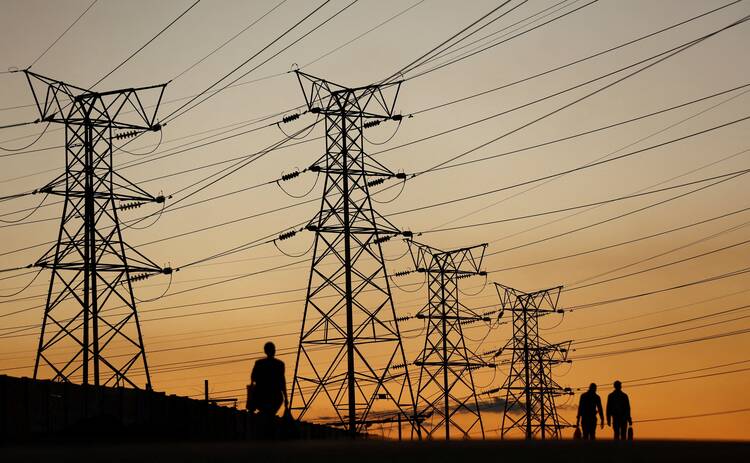



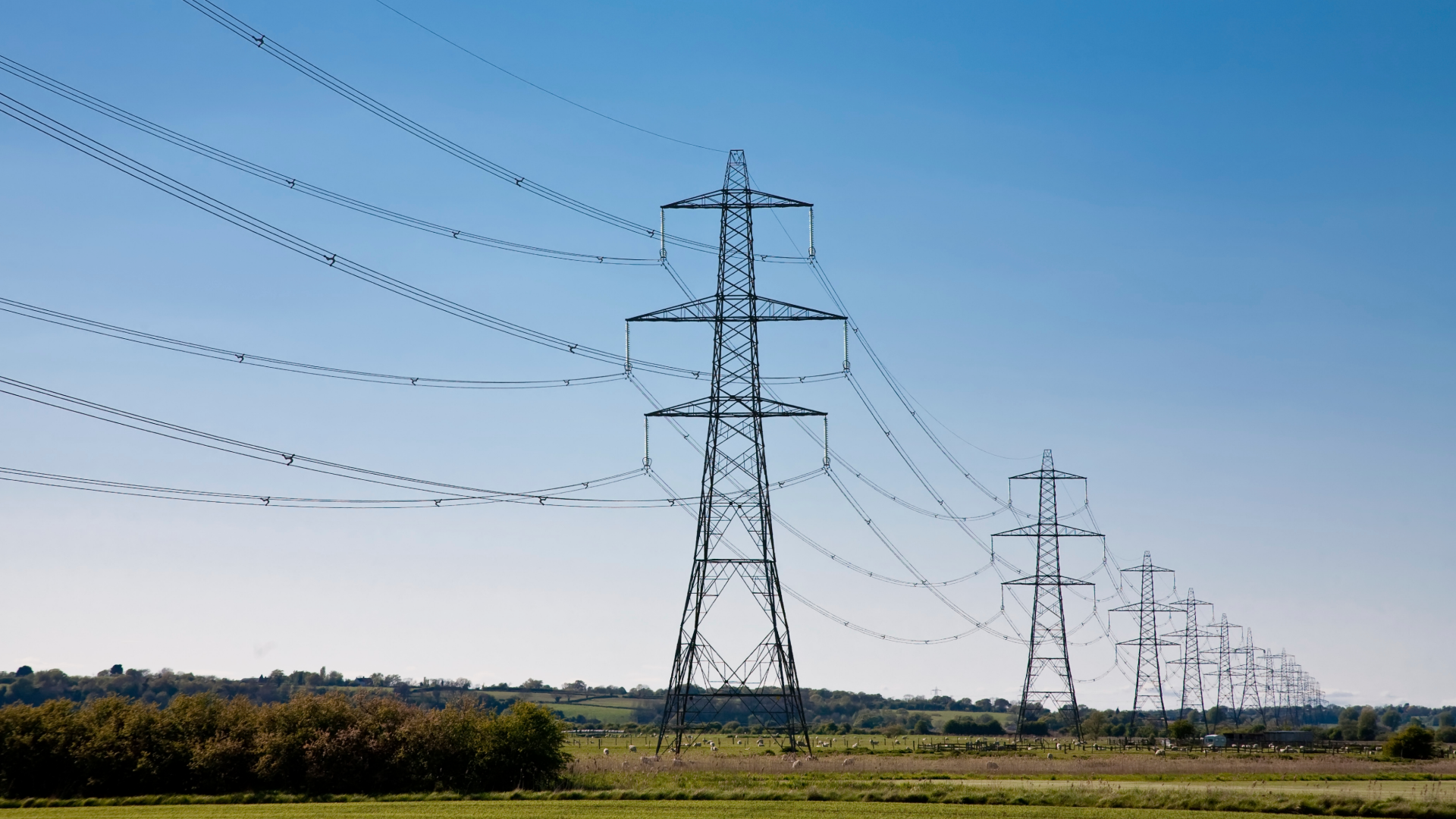
Nigeria is increasingly looking beyond the conventional electricity grid to reach millions of people who remain underserved or completely disconnected from reliable power. The shift is putting mini-grids, off-grid solar, battery storage and other distributed-energy systems at the centre of the country’s electrification strategy, with the Rural Electrification Agency (REA) playing a key role in bringing private developers and investors into the market.
The reason is straightforward: extending the national grid to every community is expensive, slow and not always the most practical option. Nigeria has a large population spread across areas where grid expansion can struggle to make commercial sense, while businesses and households already need electricity for productive activities. Distributed systems can bring generation closer to demand, allowing communities to receive power without waiting for large transmission and distribution projects to reach them.
That has created a market that increasingly looks less like a humanitarian electrification programme and more like an emerging energy business. Developers can combine solar generation, batteries and digital controls with customer payments and productive-use equipment, creating local electricity systems that serve households, shops, farms and small industries. The model also gives private capital a route into Nigeria’s power sector beyond conventional utility-scale generation.
Read Also: Why KawiSafi Is Putting $2 Million Behind East Africa’s C&I Solar Market
The financing challenge, however, remains significant. Renewable-energy equipment has become cheaper, but developers still need capital to develop projects, acquire customers, build infrastructure and sustain operations before revenues become predictable. That is why platforms bringing government agencies, financiers, technology providers and developers together are becoming important: Nigeria needs not only more solar equipment, but investment structures capable of turning thousands of individual electrification opportunities into scalable businesses.
The REA’s growing engagement with the private renewable-energy sector reflects this broader change in Nigeria’s power strategy. The country is not abandoning the grid; it is recognising that universal access will require more than one system. As distributed energy becomes cheaper and financing models mature, the next phase of Nigeria’s electrification could be defined by how effectively private developers can build smaller power systems around the communities and businesses the national grid has struggled to serve.