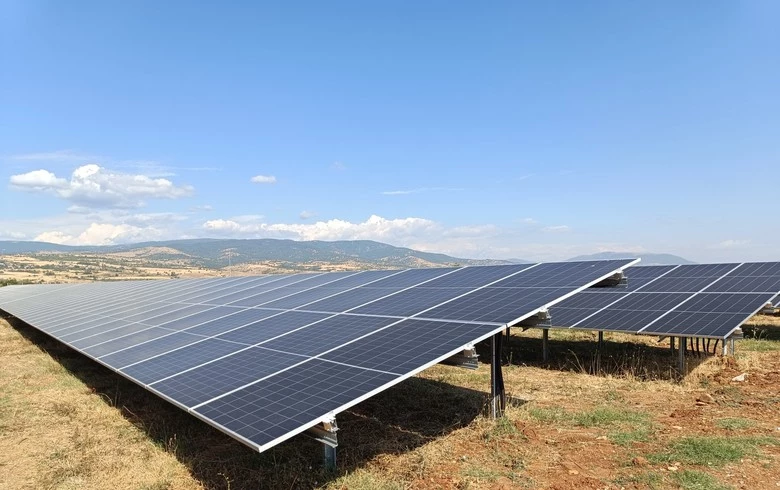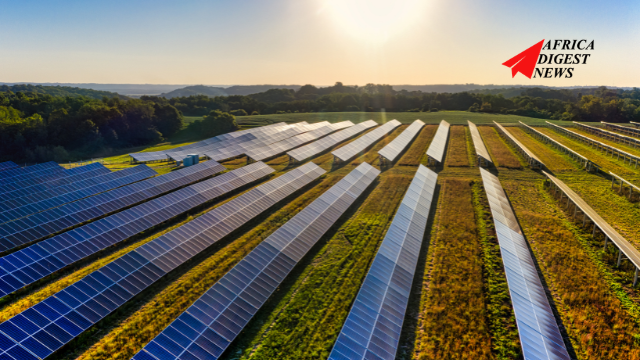


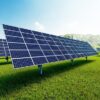


Infinity Power and HAU Energy have secured a debt financing package of up to US$566 million to develop the Nefer Minya solar project in Egypt, a planned 1.2 GWp facility that would become the largest solar power plant in Africa once completed. Located in Minya, the project will combine solar photovoltaic generation with a 600 MWh battery energy storage system. The financing package includes up to US$265 million arranged by the European Bank for Reconstruction and Development (EBRD), with additional funding from German development finance institution DEG, the Dutch Entrepreneurial Development Bank (FMO) and France’s Proparco.
The EBRD-arranged portion comprises a US$160 million loan from the bank’s own funds, a US$75 million loan mobilised from Bank of Jordan and up to US$30 million in concessional financing from the Clean Technology Fund under its Global Energy Storage Programme. The wider financing package is intended to fund the construction and operation of the solar plant and its associated storage system.
The battery system is central to how the project is expected to support Egypt’s electricity supply. Solar panels generate power during daylight hours, but output declines as the sun sets, often before the evening peak in electricity demand has passed. By storing some of the electricity produced during the day and releasing it later, the battery can extend the period in which the project supplies renewable power and help the grid manage fluctuations in supply. Storage does not generate additional electricity, but shifts part of the solar output to a different time.
Read Also: Why Kariba Dam Can Be Fully Rehabilitated and Still Struggle to Generate Electricity
Electricity from Nefer Minya will be sold to the Egyptian Electricity Transmission Company under a 25-year power purchase agreement. Once operational, the project is expected to supply enough electricity to power more than 1.4 million homes and avoid over 1.5 million tonnes of carbon dioxide emissions annually, according to the EBRD. These remain projected outcomes dependent on the plant being completed and operating as expected.
The investment also supports Egypt’s Nexus of Water, Food and Energy initiative, which aims to facilitate 10 GW of new private-sector renewable energy capacity while reducing 5 GW of inefficient fossil-fuel capacity. For Egypt, the project adds to efforts to expand renewable generation and improve energy security. Its eventual contribution, however, will depend on construction, grid connection and the effective integration of both solar generation and battery storage into the national electricity system.