



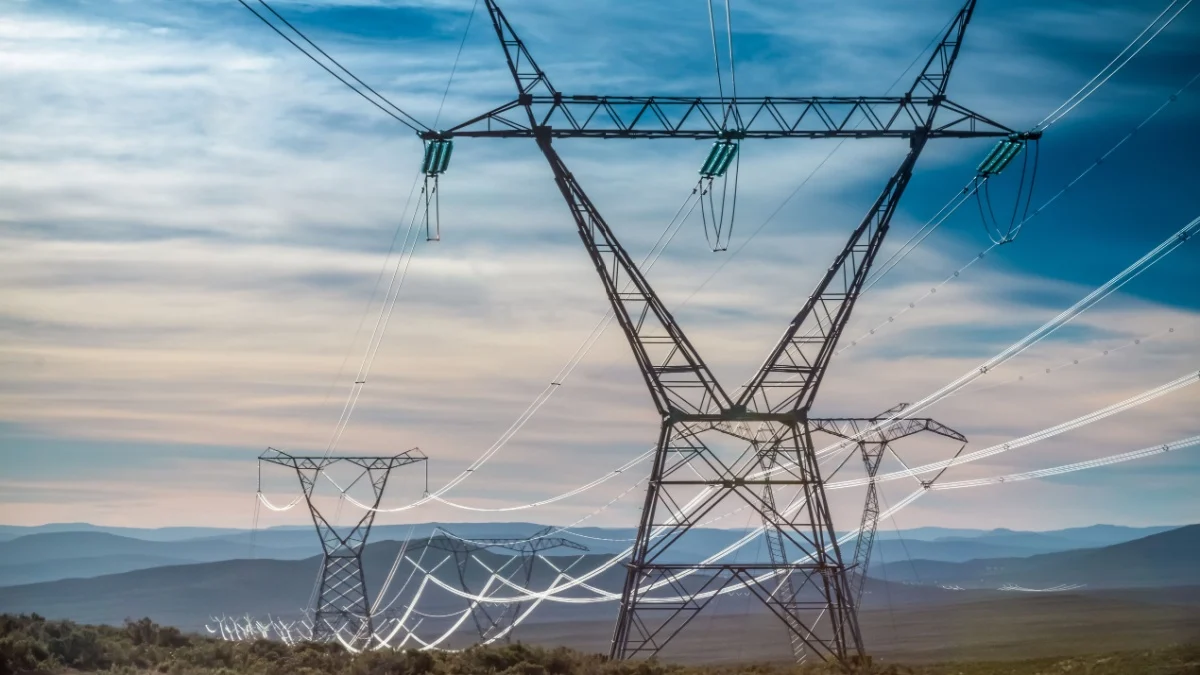
Kenya’s Rift Valley transmission line completion is significant because it reinforces a simple reality: renewable energy is only valuable if the grid can deliver it to where it is needed. Expanding generation capacity alone is not enough if transmission infrastructure cannot move electricity efficiently across the network. One of the biggest challenges facing many power systems is not producing electricity but evacuating it. When transmission lines are congested or underdeveloped, lower-cost power cannot reach demand centres, forcing utilities to rely on more expensive generation instead. Kenya has experienced this challenge before, with transmission constraints affecting how hydropower and solar resources are dispatched.
The completion of the Rift Valley transmission line strengthens the country’s electricity backbone by improving the movement of power between regions and enhancing grid reliability. This is particularly important as Kenya continues to expand its solar and wind capacity. Without sufficient transmission infrastructure, new renewable projects risk adding capacity on paper without delivering meaningful reductions in electricity costs.
Read Also: Ireland Loses 15% of Wind Power as Grid Constraints Stall Renewable Energy
The project also reflects Kenya’s broader strategy of investing in grid infrastructure alongside renewable generation. Through new transmission lines, substations, and public-private partnership projects, the country is working to reduce congestion, integrate more renewable energy into the system, and prevent situations where cheaper clean power is stranded while more expensive generation remains in operation.
For solar energy, transmission is often the hidden factor that determines project success. Even when solar generation is abundant, weak transmission networks can lead to curtailment or force grid operators to prioritize alternative power sources. As a result, investments in transmission can have just as much impact on renewable energy economics as investments in new solar plants. Kenya’s Rift Valley transmission line demonstrates that the country’s grid is gradually catching up with its renewable energy ambitions. While the project is fundamentally a transmission upgrade, it is equally a renewable energy milestone because it improves the ability of clean electricity to reach consumers efficiently.

